
David Copperfield
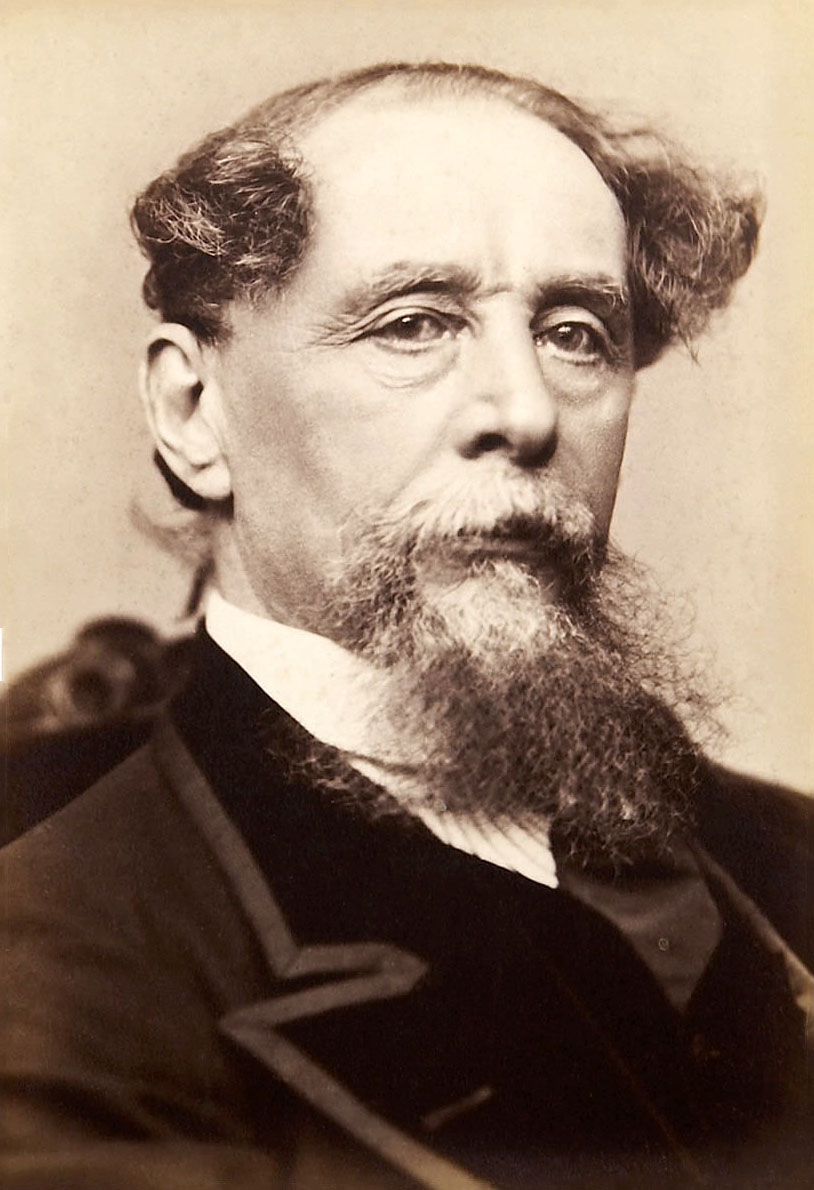 Charles Dickens1850
Dickens called it his "favourite child," and it's the most autobiographical of his novels, a coming-of-age story that set the template for the English bildungsroman.
Read this if you…
- want a book that is warm with a positive outlook on humanity overall
- want dickens being semi-autobiographic
- want the best dickens book, not even close
Skip this if you…
- don't want to commit to a long-ass book
- hate positivity and warmth
Why It Matters
Dickens called it his "favourite child," and it's the most autobiographical of his novels, a coming-of-age story that set the template for the English bildungsroman. It worked out how to make you care about a character's whole life, from childhood trauma to hard-won maturity. You can trace its influence from Joyce to Salinger to every memoir that reads like a novel.
The  Take
Take
Extremely warm and positive. Best book I’ve read yet depicting such a positive view of humanity, even with its flaws. Decent plot, but more about the lovable characters
Where to go next
- The History of Tom Jones, a Foundling by Henry Fielding. David Copperfield built on it. - The novel Dickens consciously built *David Copperfield* on — Fielding's picaresque made into a Victorian boy's life story - Fielding's *Tom Jones* appears in the book itself: David names it among his father's books, the "glorious host" that kept him company - The debt was heartfelt — Dickens named a son Henry Fielding Dickens while writing it; read *Tom Jones* first to feel the warm, sprawling comic lineage David's story descends from
- Don Quixote by Miguel de Cervantes Saavedra. David Copperfield built on it. - Dickens names *Don Quixote* directly — it's in the father's bookroom list that "kept alive my fancy" in Chapter 4 - He read and re-read Cervantes from childhood; the book is woven into the texture of David's comic, fond, slightly deluded characters - Read Cervantes first and you can see where Dickens learned to love a foolish heart
- Robinson Crusoe by Daniel Defoe. David Copperfield built on it. - That famous Chapter 4 passage — the father's small library that saves David — names *Robinson Crusoe* among the books he reads himself out of misery into - Defoe wrote the pioneering English first-person autobiographical narrative; *David Copperfield* is Dickens's first attempt at that same intimate *I* - Knowing what Crusoe meant to a solitary child sharpens exactly what those books are doing for David
- The Arabian Nights by Anonymous. David Copperfield built on it. - The wonder-book that gets David through his worst years — and, Ackroyd argues, the deepest of all Dickens's literary debts - *David Copperfield* names the *Arabian Nights* by title (Ch. 4) and turns its nightly storytelling into David's own Scheherazade act at Salem House (Ch. 7) - Dickens is transcribing his own boyhood escape reading; meet the *Nights* first and you understand exactly what it was rescuing him from
Depicted in Art
David and child-bride Dora sit at table in their cluttered new home, household accounts and Jip the dog in disarray around them.
Hablot Knight Browne (Phiz), 1850
On the deck of the Australia-bound ship, Mr. Peggotty, Em'ly, Mrs. Gummidge and the Micawbers prepare to leave England forever.
Hablot Knight Browne (Phiz), 1850
Aunt Betsey and Mr. Dick face down Mr. Murdstone and his sister in her parlour, refusing to give David back.
Hablot Knight Browne (Phiz), 1850
In a dim London lodging, Mr. Peggotty is finally reunited with the lost Em'ly, who collapses weeping into his arms.
Hablot Knight Browne (Phiz), 1850
David returns from school to find his mother remarried to the harsh Mr. Murdstone, the domestic warmth he remembered now gone.
Hablot Knight Browne (Phiz), 1849
Young David Copperfield's aunt Betsey Trotwood inspects the newborn and his mother, indignant that the child is not a girl.
Hablot Knight Browne (Phiz), 1849
Starving young David at the warehouse cradles a stale loaf at breakfast while listening through a wall to street music.
Hablot Knight Browne (Phiz), 1849
Exhausted David, runaway from London, is robbed of his box and money by the long-legged young man on the road to Dover.
Hablot Knight Browne (Phiz), 1849
The flamboyant Wilkins Micawber stands gesticulating in mid-oration before his family and David at a farewell dinner.
Hablot Knight Browne (Phiz), 1849
Recommended Editions

Penguin Classics
2004
Jeremy Tambling's Penguin runs hard on the autobiographical thread, Dickens's own 'favourite child,' and keeps notes tight enough not to clutter the page. Solid first-time reading edition.

Please support us by purchasing through these links, at no extra cost to you!
Deep Dive
What It's About
This summary gives away plot details.
Notable Quotes
“Whether I shall turn out to be the hero of my own life, or whether that station will be held by anybody else, these pages must show.”
“Annual income twenty pounds, annual expenditure nineteen nineteen and six, result happiness. Annual income twenty pounds, annual expenditure twenty pounds ought and six, result misery.”
More by Charles Dickens
- Bleak House
1853 · Novel
- A Tale of Two Cities
1859 · Historical Fiction