Jane Eyre
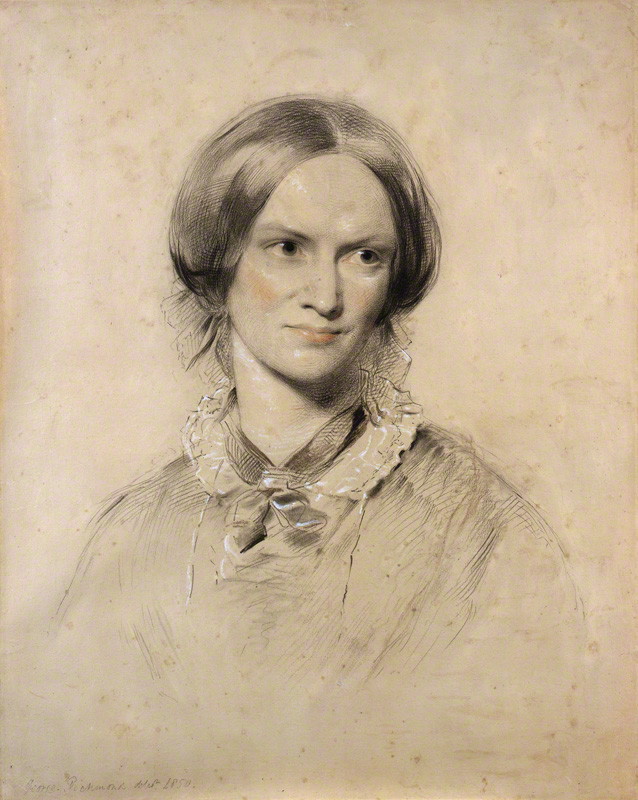 Charlotte Brontë1847
Charlotte Brontë wrote the first great novel with a plain, poor, female narrator who demands to be treated as an equal, and gets it.
Read this if you…
- want the best bronte book (much better than wuthering heights)
- like following a character from child to adulthood
- want a victorian book that's a page turner, not something to struggle over
Skip this if you…
- aren't interested in victorian novels at all (which you should be)
Why It Matters
Charlotte Brontë wrote the first great novel with a plain, poor, female narrator who demands to be treated as an equal, and gets it. Jane's line "I am no bird; and no net ensnares me" was radical for 1847. The book joined Gothic atmosphere to a woman's hard insistence on independence, and set the template for every romance where the heroine won't compromise herself.
Where to go next
- Paradise Lost by John Milton. Jane Eyre built on it. - *Jane Eyre* is built on Milton — and against him: the consensus reads it as a feminist revision of *Paradise Lost*, told from Eve's side - The allusions are on the surface, not buried: Rochester quotes the "fallen serpent of the abyss," he and Jane trade Miltonic references like a verbal tennis game, and Jane's vision of Death repeats *Paradise Lost*'s Book 2 word for word - Read the epic first and Brontë's quarrel with it — who falls, who is to blame, who gets to speak — comes into full focus
- The Pilgrim's Progress by John Bunyan. Jane Eyre built on it. - *Jane Eyre* is a pilgrimage in disguise — Jane's trials and temptations follow the road Bunyan laid down, only the salvation she's after is earthly - Brontë names Bunyan and makes Jane his reader; the novel's architecture of testing and progress is *The Pilgrim's Progress* secularized - Reading Bunyan first hands you the map Brontë is working from — the journey of the soul rewritten as the journey of a woman in the world
- Esther by Unknown. Jane Eyre built on it. - *Jane Eyre* is shadowed by the Book of *Esther* — Rochester courts Jane in the cadence of King Ahasuerus, down to the "half of my kingdom" offer of Esther 5:3, 6 - Brontë grew up with the story under her roof: her brother's "Queen Esther" painting hung in the parsonage from her teens, and the pattern runs through her whole career - Read *Esther* first and Jane's rise from servant to chosen wife reads as a deliberate retelling, not a coincidence
- The Gospels by Matthew. Jane Eyre built on it. - *Jane Eyre* quotes *The Gospels* more than any other book, and Matthew most of all — the Sermon on the Mount is its deepest scriptural current - Brontë wrote as a clergyman's daughter, reworking Gospel teaching directly into Jane's conscience and choices - Reading Matthew first lets you hear the source text humming under the novel's hardest moral turns
- Revelation by John. Jane Eyre built on it. - *Jane Eyre* ends on the Bible's ending — St John Rivers quoting Revelation 22:20, "even so, come, Lord Jesus!" - Brontë reaches for Revelation's apocalyptic register to characterize the men who try to claim Jane: Brocklehurst, Rochester, St John - Reading it first sharpens that closing note — Brontë borrows the weight of scripture's last word to seal her novel
- The Arabian Nights by Anonymous. Jane Eyre built on it. - *Jane Eyre* keeps the *Arabian Nights* on its own shelf — Jane recalls them as childhood reading, and their genii surface in how Rochester talks - Reading them first shows you the wonder-tale imagination Brontë absorbed young and smuggled into a realist novel — enchantment, captivity, the wish that rewrites a life - A University of Birmingham study traces how the *Nights* structure the book beneath its plain surface
- The Turn of the Screw by Henry James. Jane Eyre shaped it. - The governess novel James couldn't stop circling — Brontë's plain heroine, alone in a great house with a master she half-loves, was the fictional governess that took the deepest hold on him - *The Turn of the Screw* keeps Jane's premise and strips out her happy ending: a governess, an absent master, a house with a secret in it - James even lets his narrator allude to Bertha Mason — the "insane, unmentionable relative kept in unsuspected confinement" — as the model she fears she's walked into
- Little Women by Louisa May Alcott. Jane Eyre shaped it. - Alcott called *Jane Eyre* one of her favorite novels — its mark is all over her early work - Her first novel, *The Inheritance*, written at seventeen, was heavily shaped by Brontë; she even read Gaskell's *Life of Charlotte Brontë* for inspiration - The plain, fierce, self-possessed heroine Brontë invented runs straight forward into Alcott's Jo March
- Tess of the D’Urbervilles by Thomas Hardy. Jane Eyre shaped it. - *Jane Eyre* is the book *Tess* is arguing with — Hardy rewrites Brontë's vision of female autonomy forty-four years on, and answers it in the dark - Where Jane wins her independence, Tess is given no such room; Hardy sets her story deliberately against Jane's agency - The fated, passive Helen Burns flickers behind Tess too — Hardy resurrecting Brontë's figures to show a world that no longer rewards them
- Bleak House by Charles Dickens. Jane Eyre shaped it. - Jane's first-person voice was a phenomenon — and Dickens answered it with Esther Summerson - Both heroines run the same track: orphaned, raised by a cruel aunt, sent into governess-and-housekeeper service, then tempted toward marrying the master - *Jane Eyre* is the template Dickens reworks, even as he claimed (unconvincingly) never to have read it
Depicted in Art
Young Jane stands her ground in front of Mrs. Reed, finally speaking her mind before leaving Gateshead for Lowood.
F. H. Townsend, 1897
Jane reaches for the bridle of Rochester's fallen horse on the icy Hay Lane — their first meeting.
F. H. Townsend, 1897
Bertha Mason looms over Jane's bed in the lamplight on the eve of the wedding, before tearing the bridal veil.
Edmund H. Garrett, 1897
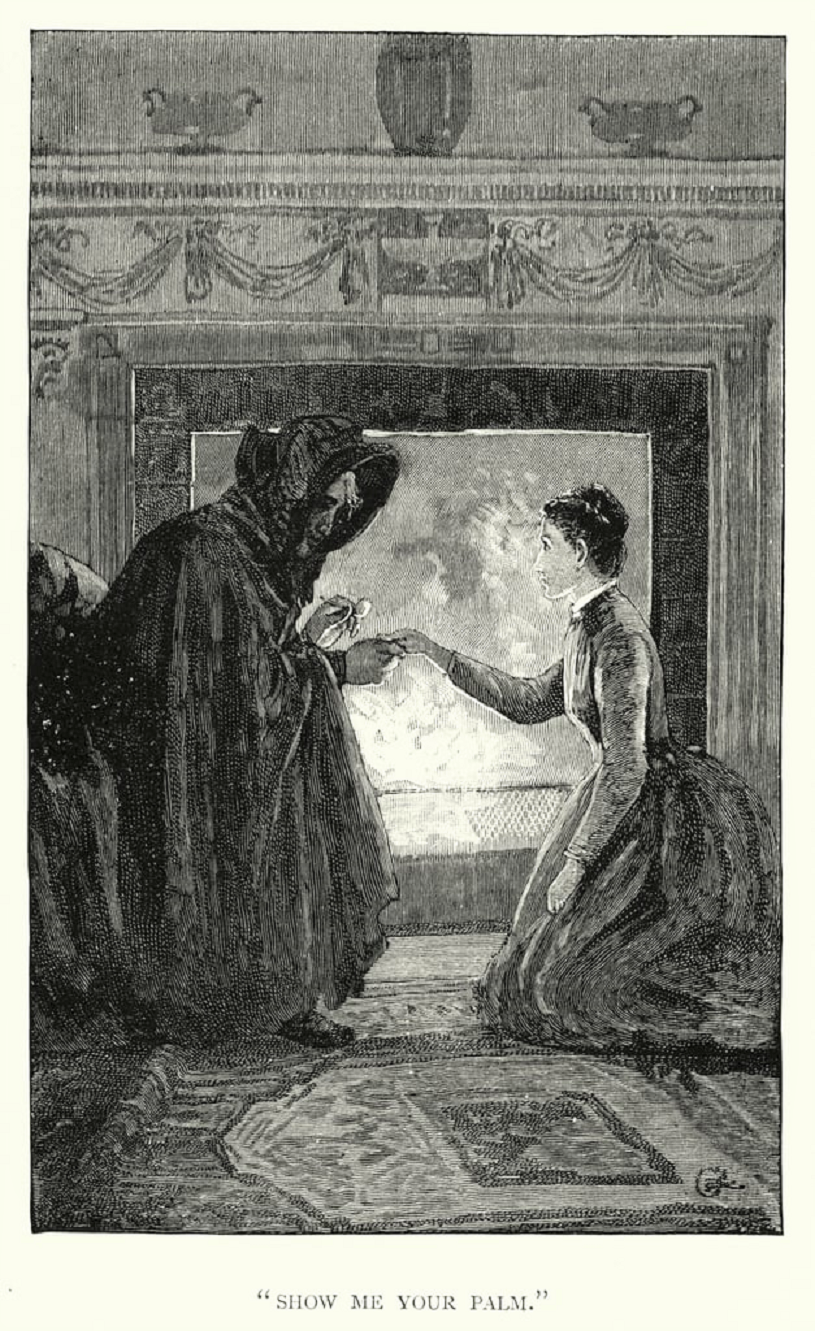
Jane sits across from the gypsy fortune-teller (Rochester disguised) in the Thornfield library.
Edmund H. Garrett, 1897
An exhausted figure collapses onto the moorland heath — most likely Jane's flight from Thornfield after the failed wedding.
F. H. Townsend, 1897
St. John Rivers intervenes as Hannah turns Jane away from Moor House in the rain.
F. H. Townsend, 1897
Bertha Mason, having stolen into Jane's room the night before the wedding, tears the bridal veil in two and tramples it.
F. H. Townsend, 1897
Recommended Editions

Penguin Classics
2006
Stevie Davies's Penguin is sharp on the gothic machinery and on how unyielding Jane actually is when the plot tries to break her. Clean text, good notes, the affordable reading edition.

Please support us by purchasing through these links, at no extra cost to you!
Deep Dive
What It's About
This summary gives away plot details.
Notable Quotes
“Reader, I married him.”
“Do you think, because I am poor, obscure, plain, and little, I am soulless and heartless? You think wrong!—I have as much soul as you,—and full as much heart!”