
Dracula
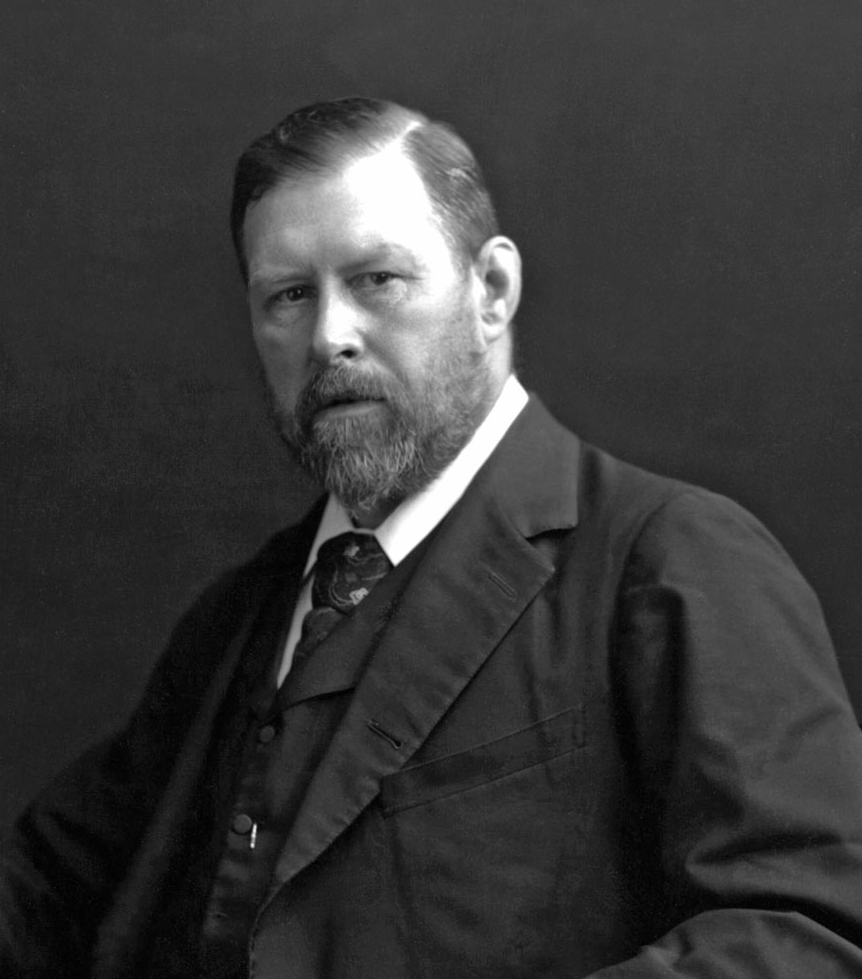 Bram Stoker1897
Stoker assembled a horror novel out of diaries, letters, and newspaper clippings, and in the process built the most durable monster in modern fiction.
Read this if you…
- want the original Vampire Novel
- have seen Dracula movies and want the source (Herzogs nosferatu is the best, watch in german)
- will be pleased to know Dracula is a little more deep/metaphorical than a simple horror book
Skip this if you…
- want simple easy to read horror
Why It Matters
Stoker assembled a horror novel out of diaries, letters, and newspaper clippings, and in the process built the most durable monster in modern fiction. Dracula set the vampire as we know it: charming, seductive, and frightening. The book's grip on horror, Gothic fiction, and pop culture is so total that most people know the story without ever reading it.
Where to go next
- The Woman in White by Wilkie Collins. Dracula built on it. - *Dracula*'s collage of diaries, letters, telegrams and newspaper clippings is the technique Collins pioneered in *The Woman in White* - The multi-witness, no-single-narrator form that makes the vampire feel pieced-together-from-evidence is borrowed straight from Collins - Reviewers caught the debt at the time — read the *Woman in White* first and you'll see the blueprint Stoker was building on
- Hamlet by William Shakespeare. Dracula built on it. - *Dracula* quotes *Hamlet* outright — in his journal Harker reaches for *the ghost of Hamlet's father*, and admits he never understood what Shakespeare meant until the Count - No coincidence: Stoker ran Irving's Lyceum, where *Hamlet* was a staple, and had reviewed the play himself - A reader who knows the ghost on Elsinore's battlements hears the older haunting beneath Stoker's newer one
- The Arabian Nights by Anonymous. Dracula built on it. - *Dracula* names its own ancestor: Harker, trapped in the castle, says it "seems horribly like the beginning of the Arabian Nights, for everything has to break off at cockcrow" - The dawn-interrupted tale — a story always cut off until the next night — is the rhythm Stoker borrows for his diary-built dread
Depicted in Art
Plain yellow cloth binding of the 1897 first edition with the title and author's name stamped in large red letters; no illustration.
1897
Red cloth cover of the second American edition with a small illustration of the vampire Count — one of the first images of Dracula Stoker himself approved.
1902
Count Dracula in white hair and beard crawling head-first down the sheer wall of his Transylvanian castle in the manner of a lizard.
Edgar Alfred Holloway, 1919
Pen-and-ink illustration from one of the final Dagen installments of Powers of Darkness.
Emil Åberg, 1900
Recommended Editions

Penguin Classics
2003
Maurice Hindle's Penguin is the read-on-a-couch version. Sharp intro on the imperial anxieties and sexual politics, useful notes, nothing overstuffed. The natural way in if you just want the book.

Please support us by purchasing through these links, at no extra cost to you!
Deep Dive
What It's About
This summary gives away plot details.
Notable Quotes
“Listen to them, the children of the night. What music they make!”
“Listen to them—the children of the night. What music they make!”