
Frankenstein
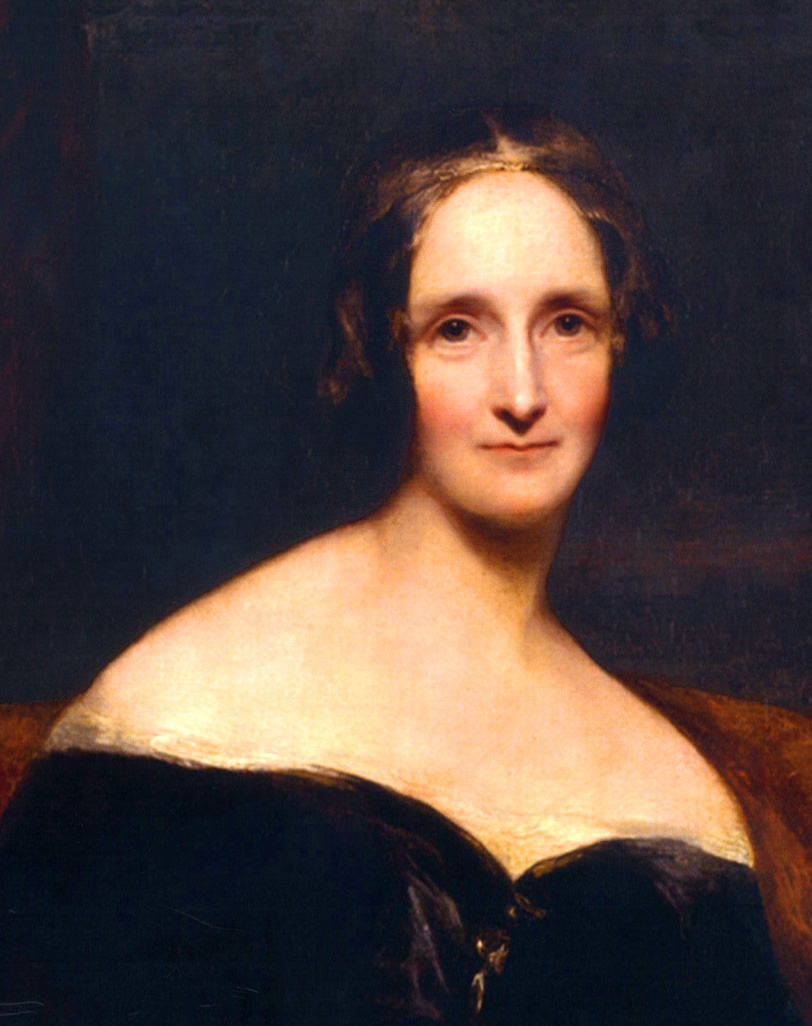
Shelley wrote the first great science fiction novel at nineteen: a scientist creates life, then refuses to take responsibility for what he made.
Read this if you…
- are ready for a more philosophical than pure horror/scifi book
- want context for every "creator regrets his creation" story since
- want a book written by a female power family (her mother is mary wollstonecraft)
Skip this if you…
- are expecting a fast horror book
- care more about the horror of the monster, rather than the philosophical exploration of regretting creation
Why It Matters
Shelley wrote the first great science fiction novel at nineteen: a scientist creates life, then refuses to take responsibility for what he made. The questions it raises about technology, ambition, and accountability have only gotten more pressing. Every story about artificial intelligence, genetic engineering, or playing God is a footnote to Frankenstein.
Where to go next
- Paradise Lost by John Milton. Frankenstein built on it. - *Frankenstein* opens on a line from *Paradise Lost* — Adam's accusation of his Maker — and never stops arguing with Milton after that - The Creature reads *Paradise Lost* as true history, identifying first with Adam, then with Satan, asking who is the real victim of creation - Read Milton first and Shelley's whole question comes into focus: what does the maker owe the made?
- Prometheus Bound by Aeschylus. Frankenstein built on it. - The Prometheus of the subtitle is Aeschylus's, not Hesiod's — the creator chained for his transgression - Mary Shelley transcribed Percy's translation of this play by hand as she wrote the novel; Victor is built on its defiant maker - Read it first and Victor's punishment reads as tragedy, not just horror — the fire-bringer who pays for the spark
- The Rime of the Ancient Mariner by Samuel Taylor Coleridge. Frankenstein built on it. - *Frankenstein* quotes the *Rime* by name and image — Walton invokes "the land of mist and snow," the albatross, and Coleridge himself as he steers toward the ice - Coleridge's haunted Mariner stands behind every figure in the novel driven to confess a guilt they can't outrun - Mary Shelley heard Coleridge recite this poem as a girl; reading it first gives *Frankenstein*'s polar frame its full cold weight
- Plutarch's Lives by Plutarch. Frankenstein built on it. - *Plutarch's Lives* is named on the page — one of the three books the creature discovers and reads in the De Lacey woods, alongside *The Sorrows of Young Werther* and *Paradise Lost* - Shelley has Plutarch give him 'high thoughts,' teaching him of the lawgivers and rulers of antiquity and waking his love of virtue - Read it and you read what the creature read — the source of the moral ideals it measures its own abandonment against
- Genesis by Moses. Frankenstein built on it. - *Frankenstein*'s monster keeps measuring himself against the first man — created, then cast off, demanding an account from the one who made him - The route runs through Milton (the epigraph is Adam's protest, and the creature reads *Paradise Lost*), but the original pattern is here in *Genesis*: knowing Adam's making sharpens the creature's bitter inversion of it
Depicted in Art
Another still from the Edison short, the creature reaching toward Victor in a cluttered alchemical chamber.
1910
A woman sprawls unconscious on a bed; an incubus crouches on her chest, and a wild-eyed horse pushes through the curtains behind her.
Henry Fuseli, 1781
Actor Thomas Potter Cooke posed in costume as the creature — long flowing hair, blue-grey body paint, half-draped in dark cloth.
Nathaniel Whittock and Thomas Charles Wageman, 1823
Detail of the creature from the 1831 frontispiece, showing the awakened being with long limbs and a brooding human face.
Theodor von Holst, 1831
Recommended Editions

Penguin Classics
2003
The Penguin uses the 1831 text, which is the version most people grew up quoting and the one Shelley herself revised. Maurice Hindle's intro covers the novel's genesis and its place in Romanticism cleanly.


Please support us by purchasing through these links, at no extra cost to you!
Deep Dive
What It's About
This summary gives away plot details.
Notable Quotes
“Beware; for I am fearless, and therefore powerful.”
“Beware, for I am fearless and therefore powerful.”