
Coriolanus
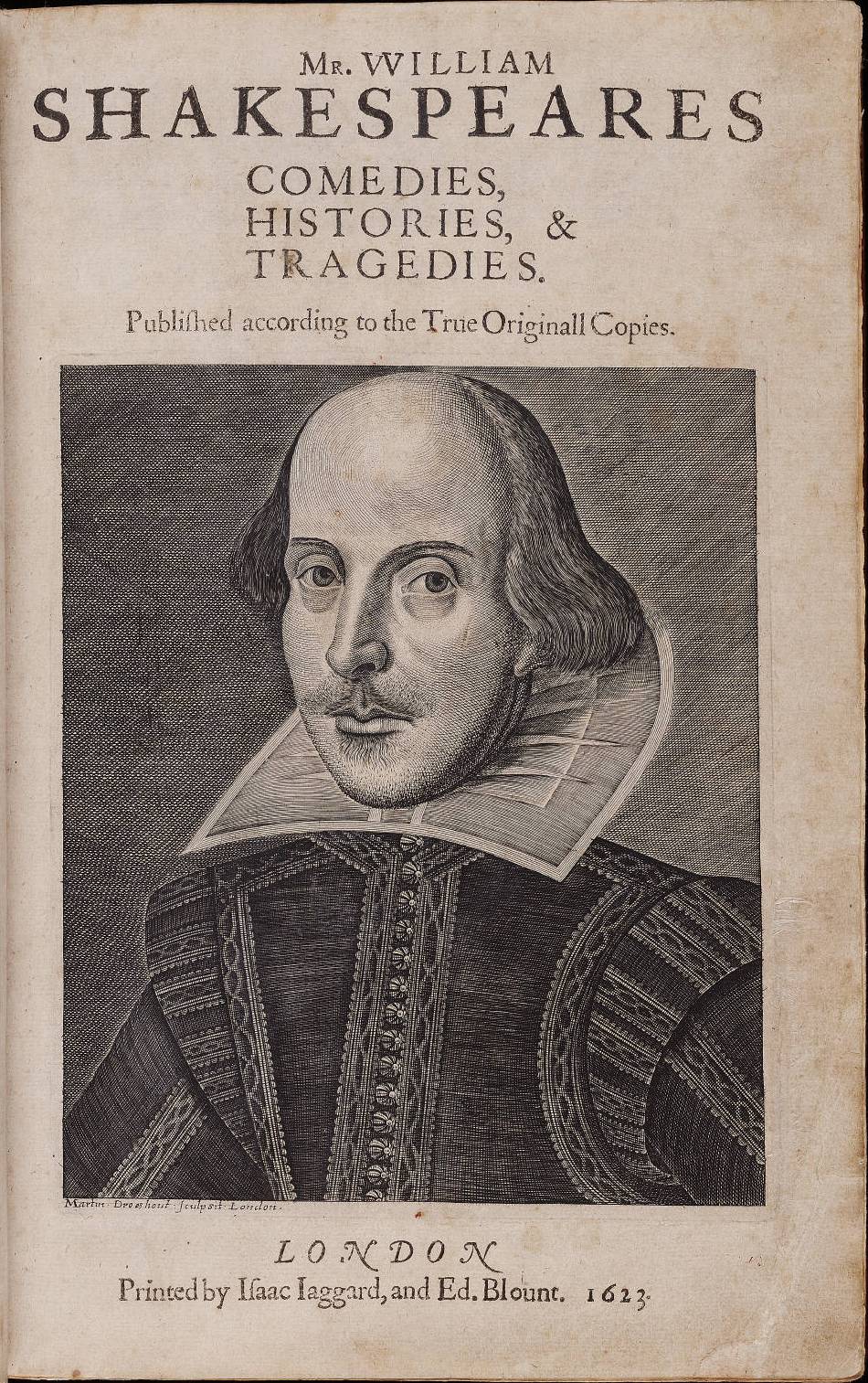 William Shakespearec. 1608
A political tragedy about a soldier who can't stand the people he's supposed to serve, and the people who destroy him for it.
Read this if you…
- like Rome and Shakespeare
- like an arrogant famous guy as main character
- have already read the better Shakespeares
Skip this if you…
- haven't already read the classic shakespeare tragedies
- aren't willing to go slow, read notes, look up analyses of famous passages (only way to "get" shakespeare)
- foolishly think shakespeare is overrated
Why It Matters
A political tragedy about a soldier who can't stand the people he's supposed to serve, and the people who destroy him for it. It's Shakespeare's most openly political play, and what it has to say about populism, elite contempt, and democracy breaking down lands in every era. Brecht adapted it, and modern productions keep finding new angles on it.
The  Take
Take
I liked that both Coriolanus and the tribunes were unlikeable but with redeeming qualities, and what a great play by Aufidius at the end
Where to go next
- Plutarch's Lives by Plutarch. Coriolanus built on it. - *Coriolanus* is Plutarch's *Life of Caius Marcius Coriolanus* set on stage, by way of North's 1579 translation - The moment Coriolanus arrives at Aufidius's house to defect is borrowed almost word-for-word from North's prose - Read the *Life* first and you can hear exactly where Shakespeare stopped paraphrasing and started transcribing
Depicted in Art
Coriolanus draws his sword beneath Rome's massive walls as Volumnia, Virgilia, their children, and Roman matrons reach toward him pleading.
Nicolas Poussin, 1653
Veturia and her grandchildren confront Coriolanus before the city walls, the warrior wavering between filial duty and military assault.
Giovanni Battista Tiepolo, 1727
Coriolanus stands armored outside Rome's gates as kneeling women plead beneath a stormy sky.
Franz Anton Maulbertsch, 1795
A wide Italian Renaissance frieze: armored Coriolanus mid-frame, his family arrayed in procession, Rome's architecture rising behind.
Michele da Verona, 1500
Large-scale Baroque composition: Coriolanus in Roman armor at the gates, his mother and wife kneeling before him in dramatic light.
Ciro Ferri, 1685
Large-scale Baroque composition with Volumnia rising before her armored son, attendants and Roman military gathered around.
Jan Erasmus Quellinus, 1700
Volumnia looks directly at her son while he averts his eyes; his wife and other women cluster around them in a tense, intimate group.
Gerbrand van den Eeckhout, 1662
Coriolanus on horseback at the head of his army receives a procession of Roman matrons led by Volumnia outside the city.
Pieter Lastman, 1622
Pen-and-ink drawing of the family-pleading scene; Coriolanus in armor faces his mother and wife with crowded onlookers behind.
Heinrich Friedrich Füger
Bas-relief sculpture of Coriolanus and the pleading women, neoclassical idiom in carved marble.
Anne Seymour Damer, 1788
Recommended Editions

Folger Shakespeare Library
2009
Folger's the readable one. Text on one page, notes on the facing page, written in plain English instead of textbook-speak. Catches every word and reference you'd otherwise google, without breaking the scene to do it.
SparkNotes (No Fear Shakespeare)
2003

Please support us by purchasing through these links, at no extra cost to you!
Deep Dive
What It's About
This summary gives away plot details.
Notable Quotes
“There is a world elsewhere.”
“Like an eagle in a dove-cote, I Flutter'd your Volscians in Corioli: Alone I did it. Boy!”
More by William Shakespeare
- The Two Gentlemen of Verona
c. 1590 · Comedy
- King Henry VI, Part 2
c. 1591 · History Play
- King Henry VI, Part 3
c. 1591 · History Play
- The Taming of the Shrew
c. 1591 · Comedy
- Henry VI, Part 1
c. 1592 · History Play
- Titus Andronicus
c. 1592 · Tragedy
- Richard III
c. 1593 · History Play
- Love's Labour's Lost
c. 1594 · Comedy
- The Comedy of Errors
c. 1594 · Comedy
- A Midsummer Night’s Dream
c. 1595 · Comedy
- Richard II
c. 1595 · History Play
- Romeo and Juliet
c. 1595 · Tragedy
- King Henry IV, Part 1
c. 1596 · History Play
- King John
c. 1596 · History Play
- The Merchant of Venice
c. 1596 · Comedy
- Henry IV, Part Two
c. 1597 · History Play
- The Merry Wives of Windsor
c. 1597 · Comedy
- Much Ado About Nothing
c. 1598 · Comedy
- As You Like It
c. 1599 · Comedy
- Henry V
c. 1599 · History Play
- Julius Caesar
c. 1599 · Tragedy
- Hamlet
c. 1600 · Tragedy
- Twelfth Night
c. 1601 · Comedy
- Troilus and Cressida
c. 1602 · Satire
- Othello
c. 1603 · Tragedy
- All's Well That Ends Well
c. 1604 · Comedy
- Measure for Measure
c. 1604 · Comedy
- King Lear
c. 1605 · Tragedy
- Antony and Cleopatra
c. 1606 · Tragedy
- Macbeth
c. 1606 · Tragedy
- Timon of Athens
c. 1606 · Tragedy
- Pericles
c. 1607 · Romance
- Shakespeare's Sonnets
1609 · Lyric
- Cymbeline
c. 1610 · Romance
- The Winter's Tale
c. 1610 · Romance
- The Tempest
c. 1611 · Romance
- Henry VIII
c. 1613 · History Play
- The Two Noble Kinsmen
c. 1613 · Romance