
Othello
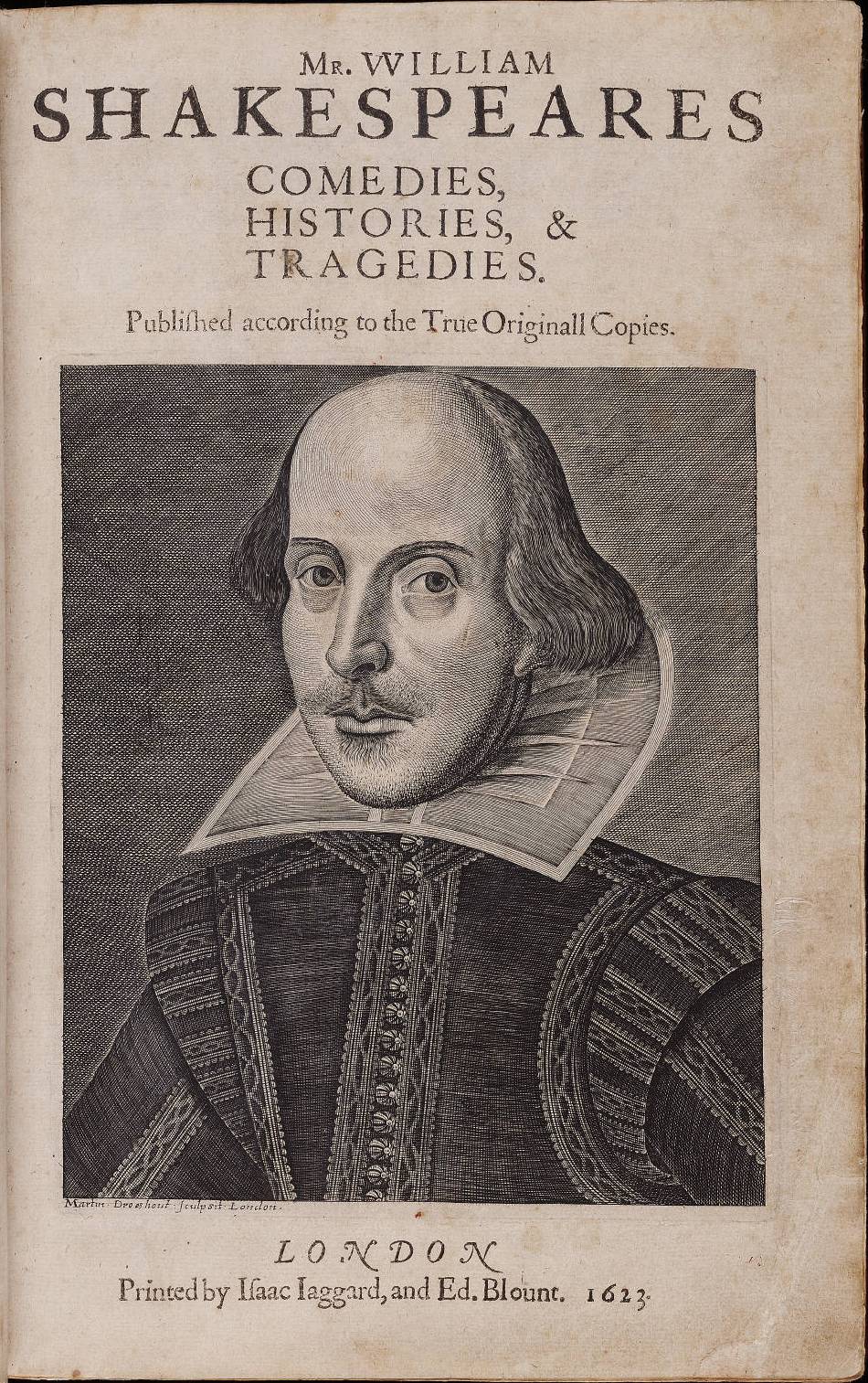 William Shakespearec. 1603
Shakespeare built a tragedy around jealousy so irrational and destructive that 'Othello' became the word for it.
Read this if you…
- want the greatest villain of any book ever
- like the theme of jealousy
Skip this if you…
- aren't willing to go slow, read notes, look up analyses of famous passages (only way to "get" shakespeare)
- foolishly think shakespeare is overrated
Why It Matters
Shakespeare built a tragedy around jealousy so irrational and destructive that 'Othello' became the word for it. Iago is the purest villain in all of Shakespeare, with no real motive, perfectly methodical, and frighteningly believable. It's also his most devastating look at race, manipulation, and how easily trust gets turned into a weapon.
The  Take
Take
Iago has got to be one of the top villains of all time. He plays it so cool until the end. Fantastic character, one of Shakespeare best
Where to go next
- Metamorphoses by Ovid. Othello built on it. - Behind Othello's "Pontic sea" vow — the tide that never turns back — stands Ovid's Medea, the figure of a will hardened past any return - Shakespeare read the *Metamorphoses* in Golding's English; its logic of a self metamorphosed by passion runs straight into Othello's unmaking
Depicted in Art
Othello stands in trance-like calm at the foot of Desdemona's bed as she sleeps, moments before he smothers her.
Eugène Delacroix, 1849
Othello, seated in a Venetian palazzo, recounts his travels to Desdemona and Brabantio under a tapestry.
Carl Ludwig Friedrich Becker
Othello clasps Desdemona on the quay at Cyprus after their separate sea voyages, surrounded by greeting Venetians.
Thomas Stothard, 1799
Othello tells Desdemona the story of his life by firelight, her father in the background growing uneasy.
Charles West Cope, 1868
Othello stands over the sleeping Desdemona by candlelight, sword drawn, at the climax of Act V.
Antonio Muñoz Degraín, 1881
The couple stand in close embrace on a Venetian balcony, lit by the lagoon, in the play's brief calm before Cyprus.
Théodore Chassériau, 1849
Othello recoils from the bed after smothering Desdemona, hearing knocking at the chamber door.
Alexandre-Marie Colin, 1829
Brabantio publicly disowns Desdemona in the Venetian senate chamber as she clings to Othello.
Eugène Delacroix
Iago leans close to a brooding, seated Othello, pouring the first poison of jealousy into his ear in the play's pivotal temptation scene.
Théodore Chassériau, 1844
A bare-shouldered young man glares sidelong out of deep shadow, brow furrowed — Cameron's brooding character study of the villain Iago.
Julia Margaret Cameron, 1867
Othello entrusts the newly-wed Desdemona to Iago's care before sailing for Cyprus, Iago bowing with feigned loyalty.
Théodore Chassériau, 1844
Recommended Editions

Folger Shakespeare Library
2004
Folger's the readable one. Text on one page, notes on the facing page, written in plain English instead of textbook-speak. Catches every word and reference you'd otherwise Google, without breaking the scene to do it.


Please support us by purchasing through these links, at no extra cost to you!
Deep Dive
What It's About
This summary gives away plot details.
Notable Quotes
“O, beware, my lord, of jealousy! It is the green-eyed monster, which doth mock the meat it feeds on.”
“O, beware, my lord, of jealousy; It is the green-eyed monster which doth mock The meat it feeds on.”
More by William Shakespeare
- The Two Gentlemen of Verona
c. 1590 · Comedy
- King Henry VI, Part 2
c. 1591 · History Play
- King Henry VI, Part 3
c. 1591 · History Play
- The Taming of the Shrew
c. 1591 · Comedy
- Henry VI, Part 1
c. 1592 · History Play
- Titus Andronicus
c. 1592 · Tragedy
- Richard III
c. 1593 · History Play
- Love's Labour's Lost
c. 1594 · Comedy
- The Comedy of Errors
c. 1594 · Comedy
- A Midsummer Night’s Dream
c. 1595 · Comedy
- Richard II
c. 1595 · History Play
- Romeo and Juliet
c. 1595 · Tragedy
- King Henry IV, Part 1
c. 1596 · History Play
- King John
c. 1596 · History Play
- The Merchant of Venice
c. 1596 · Comedy
- Henry IV, Part Two
c. 1597 · History Play
- The Merry Wives of Windsor
c. 1597 · Comedy
- Much Ado About Nothing
c. 1598 · Comedy
- As You Like It
c. 1599 · Comedy
- Henry V
c. 1599 · History Play
- Julius Caesar
c. 1599 · Tragedy
- Hamlet
c. 1600 · Tragedy
- Twelfth Night
c. 1601 · Comedy
- Troilus and Cressida
c. 1602 · Satire
- All's Well That Ends Well
c. 1604 · Comedy
- Measure for Measure
c. 1604 · Comedy
- King Lear
c. 1605 · Tragedy
- Antony and Cleopatra
c. 1606 · Tragedy
- Macbeth
c. 1606 · Tragedy
- Timon of Athens
c. 1606 · Tragedy
- Pericles
c. 1607 · Romance
- Coriolanus
c. 1608 · Tragedy
- Shakespeare's Sonnets
1609 · Lyric
- Cymbeline
c. 1610 · Romance
- The Winter's Tale
c. 1610 · Romance
- The Tempest
c. 1611 · Romance
- Henry VIII
c. 1613 · History Play
- The Two Noble Kinsmen
c. 1613 · Romance