
Timon of Athens
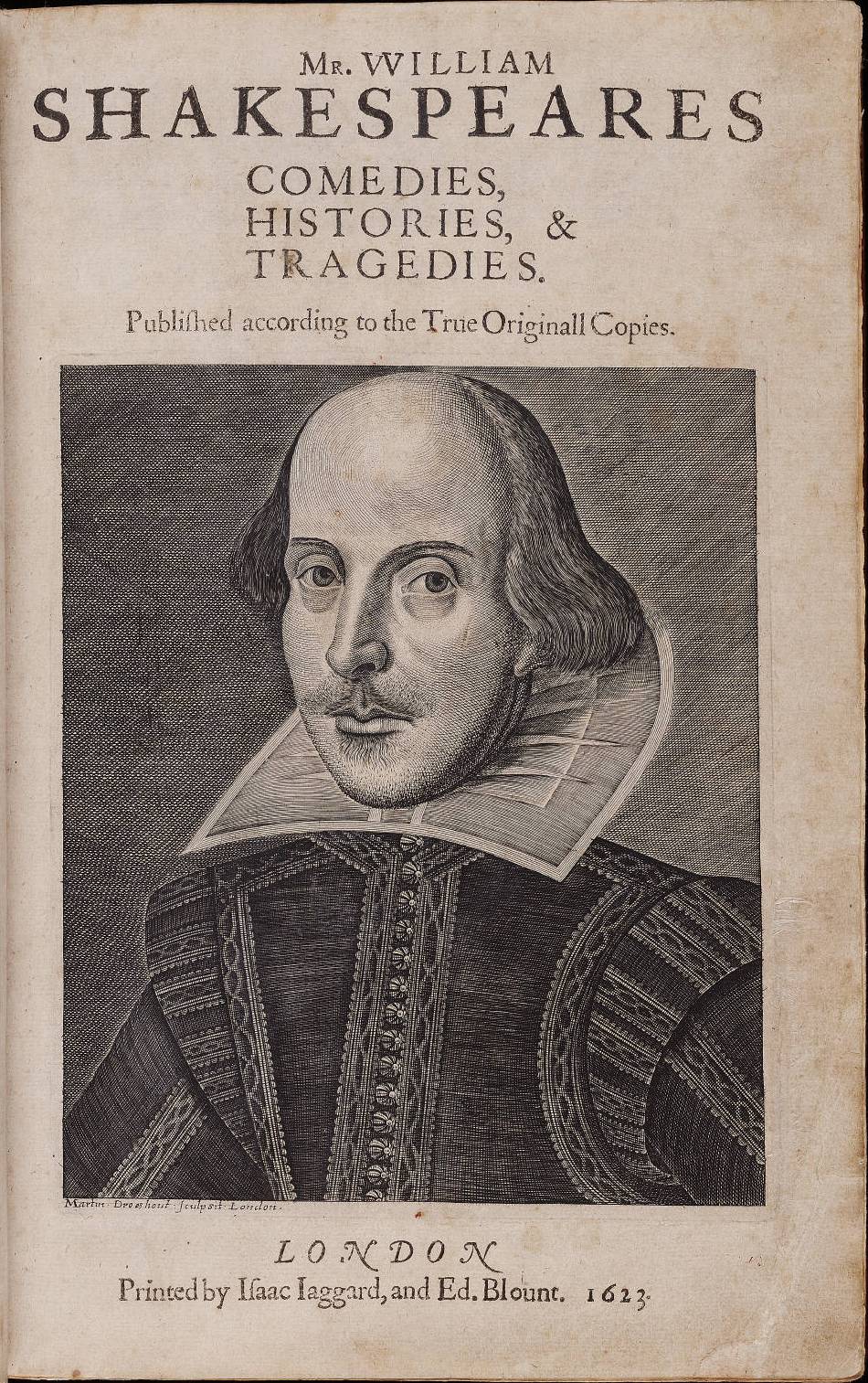 William Shakespearec. 1606
This is Shakespeare's most bitter play, a rich man who gives everything away, finds out his friends are worthless, and turns into a raging misanthrope.
Read this if you…
- like the topic of a man losing faith in humanity after discovering his fake friends
Skip this if you…
- haven't already read the classic shakespeare tragedies
- aren't willing to go slow, read notes, look up analyses of famous passages (only way to "get" shakespeare)
- foolishly think shakespeare is overrated
Why It Matters
This is Shakespeare's most bitter play, a rich man who gives everything away, finds out his friends are worthless, and turns into a raging misanthrope. It's unfinished and uneven, but its picture of generosity used up and trust betrayed has a raw force the polished plays don't have. The role pulls in actors who want something darker than Lear.
The  Take
Take
Not sure why this one gets so much hate. Love the idea of someone losing faith in humanity after having a zest for life. Also some great poetic verses
Where to go next
- Plutarch's Lives by Plutarch. Timon of Athens built on it. - Built largely on a single digression in Sir Thomas North's 1579 *Plutarch's Lives* — the Timon sketch tucked inside the lives of Antony and Alcibiades - The misanthropy, the pairing with Alcibiades and Apemantus, the sardonic fig-tree offer (5.1), the rival tomb epitaphs all come straight from North's pages (with a debt to Lucian's *Timon* alongside) - Reading the source shows you how little Plutarch gave Shakespeare to work with — and how much of the play is invention filling that frame
Depicted in Art
Timon, gaunt in his cave exile, flings the gold he has dug up to the general Alcibiades and his two prostitute companions.
Nathaniel Dance-Holland, 1767
Timon outside the walls of Athens, cursing the city and renouncing human society before retreating to the wilderness.
Henry Howard, 1803
Timon in his cave, half-clothed and unkempt, brooding over the gold he has unearthed.
Charles Robert Leslie, 1812
Bust-length study of a hollow-cheeked old man hunched over coins, a preparatory head for a never-finished Timon canvas.
Thomas Couture, 1876
High-resolution color plate of Timon's banquet — Timon enthroned at table dispensing gifts to his hangers-on.
Henry Howard
Recommended Editions

Folger Shakespeare Library
2006
Folger's the readable one. Text on one page, notes on the facing page, written in plain English instead of textbook-speak. Catches every word and reference you'd otherwise google, without breaking the scene to do it.
SparkNotes (No Fear Shakespeare)
2003

Please support us by purchasing through these links, at no extra cost to you!
Deep Dive
What It's About
This summary gives away plot details.
Notable Quotes
“Gold? Yellow, glittering, precious gold?”
“Gold? Yellow, glittering, precious gold? This yellow slave will knit and break religions, bless the accursed.”
More by William Shakespeare
- The Two Gentlemen of Verona
c. 1590 · Comedy
- King Henry VI, Part 2
c. 1591 · History Play
- King Henry VI, Part 3
c. 1591 · History Play
- The Taming of the Shrew
c. 1591 · Comedy
- Henry VI, Part 1
c. 1592 · History Play
- Titus Andronicus
c. 1592 · Tragedy
- Richard III
c. 1593 · History Play
- Love's Labour's Lost
c. 1594 · Comedy
- The Comedy of Errors
c. 1594 · Comedy
- A Midsummer Night’s Dream
c. 1595 · Comedy
- Richard II
c. 1595 · History Play
- Romeo and Juliet
c. 1595 · Tragedy
- King Henry IV, Part 1
c. 1596 · History Play
- King John
c. 1596 · History Play
- The Merchant of Venice
c. 1596 · Comedy
- Henry IV, Part Two
c. 1597 · History Play
- The Merry Wives of Windsor
c. 1597 · Comedy
- Much Ado About Nothing
c. 1598 · Comedy
- As You Like It
c. 1599 · Comedy
- Henry V
c. 1599 · History Play
- Julius Caesar
c. 1599 · Tragedy
- Hamlet
c. 1600 · Tragedy
- Twelfth Night
c. 1601 · Comedy
- Troilus and Cressida
c. 1602 · Satire
- Othello
c. 1603 · Tragedy
- All's Well That Ends Well
c. 1604 · Comedy
- Measure for Measure
c. 1604 · Comedy
- King Lear
c. 1605 · Tragedy
- Antony and Cleopatra
c. 1606 · Tragedy
- Macbeth
c. 1606 · Tragedy
- Pericles
c. 1607 · Romance
- Coriolanus
c. 1608 · Tragedy
- Shakespeare's Sonnets
1609 · Lyric
- Cymbeline
c. 1610 · Romance
- The Winter's Tale
c. 1610 · Romance
- The Tempest
c. 1611 · Romance
- Henry VIII
c. 1613 · History Play
- The Two Noble Kinsmen
c. 1613 · Romance