
Julius Caesar
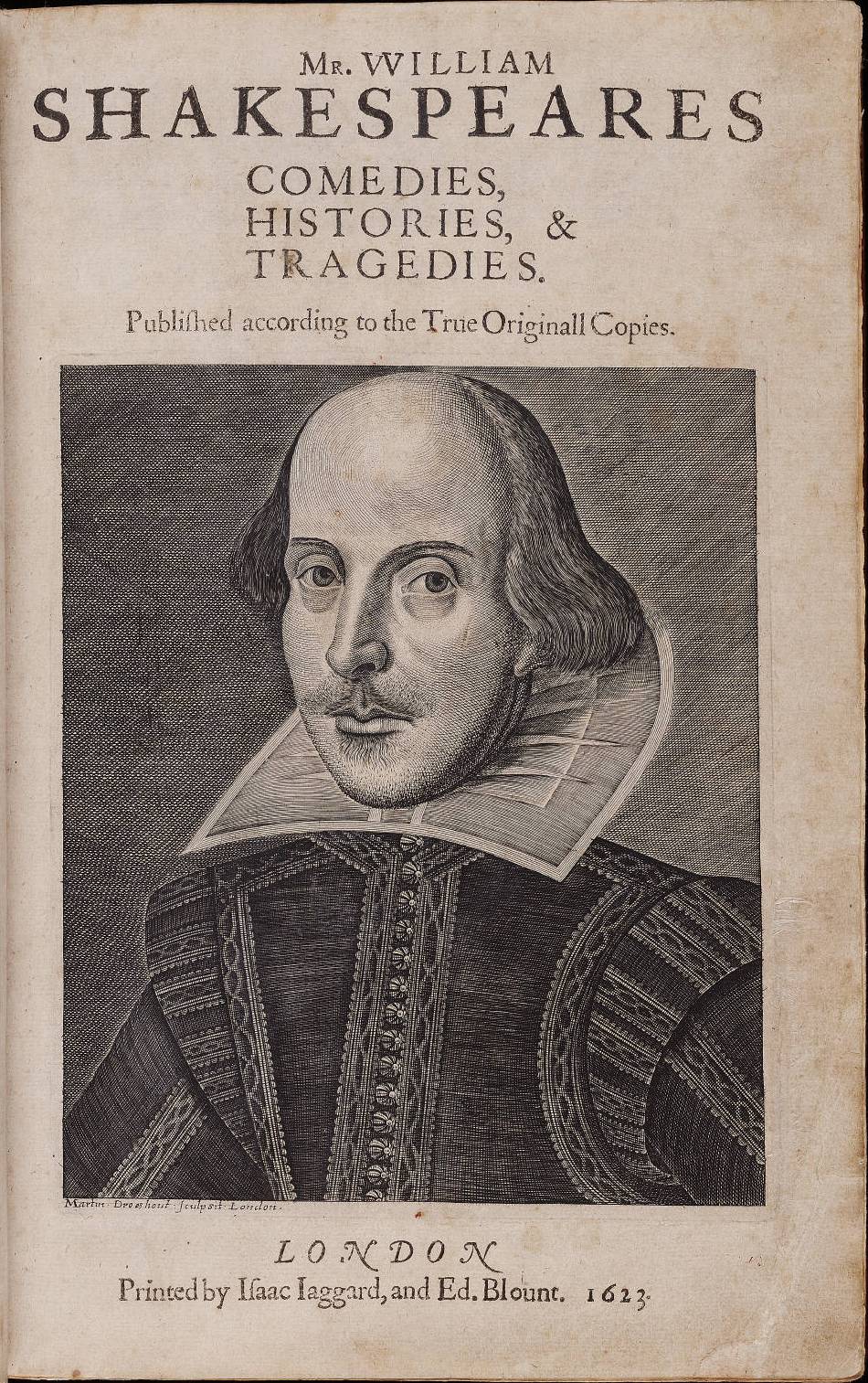 William Shakespearec. 1599
Shakespeare took the most famous assassination in history and turned it into a study of how good intentions lead straight to disaster.
Read this if you…
- love Shakespeare and Rome
- want a depiction of one of the most famous assassinations of all time
- want Shakespeare's shortest tragedy
Skip this if you…
- aren't willing to go slow, read notes, look up analyses of famous passages (only way to "get" shakespeare)
- foolishly think shakespeare is overrated
Why It Matters
Shakespeare took the most famous assassination in history and turned it into a study of how good intentions lead straight to disaster. Brutus, the honorable man who kills his friend to save the republic and destroys the republic doing it, is one of the great tragic ironies in literature. 'Et tu, Brute?' is the most recognized line in English drama.
The  Take
Take
Classic story, great. Beware the ides of march. The cloak with all the wholes in it. Red blood when dying like the red of the sun going beneath the horizon. The honor of all the characters. Nobody is slimey. Banger
Where to go next
- Plutarch's Lives by Plutarch. Julius Caesar built on it. - *Julius Caesar* follows Plutarch's *Lives* of Caesar, Brutus, and Antony so closely it's effectively the play's source code, read through North's 1579 translation - The assassination, the funeral, the falling-out at Philippi — all are Plutarch's events, dramatized in order - Read the three *Lives* and you'll see how much of the play Shakespeare found already waiting in the prose
Depicted in Art
Caesar, robed in white, recoils as a tight ring of conspirators in red and ochre togas close in with raised daggers; one senator at center grips Caesar's cloak.
Vincenzo Camuccini, 1805
The aftermath: Caesar's body lies bloodied beside a toppled gilt throne in the empty foreground while the conspirators rush up the senate steps, daggers brandished overhead.
Jean-Léon Gérôme, 1867
Caesar, crowned and in a scarlet toga, struggles as Tillius Cimber pulls at his cloak and Casca lunges with a dagger from behind; the senate floor is dim and theatrical.
Karl von Piloty, 1865
Caesar at the center, half-rising from his curule chair, as Brutus drives in the killing blow; surrounding senators frame the action in a frieze-like neoclassical arrangement.
Heinrich Friedrich Füger, 1818
Caesar collapses at the base of Pompey's statue as the conspirators cluster around him with bloodied daggers; staged from the Shakespearean text rather than Roman history.
William Holmes Sullivan, 1888
Two side-by-side panels: at left the senators stab Caesar in an open colonnade; at right his body is carried to the funeral pyre while figures mourn — a quattrocento cassone narrative.
Workshop of Apollonio di Giovanni, 1455
Caesar's body is laid out on a raised bier; conspirators and senators react in two opposing groups while the senate hall opens onto a stormy sky.
Guillaume Guillon Lethière, 1818
Brutus rises from his desk in a low-lit campaign tent as the ghost of Caesar enters in a white robe spattered with blood from the multiple stab wounds.
Edwin Austin Abbey, 1905
Recommended Editions

Folger Shakespeare Library
2004
Folger's the readable one. Text on one page, notes on the facing page, written in plain English instead of textbook-speak. Catches every word and reference you'd otherwise Google, without breaking the scene to do it.


Please support us by purchasing through these links, at no extra cost to you!
Deep Dive
What It's About
This summary gives away plot details.
Notable Quotes
“Et tu, Brute? Then fall, Caesar.”
“Et tu, Brute? Then fall, Caesar!”
More by William Shakespeare
- The Two Gentlemen of Verona
c. 1590 · Comedy
- King Henry VI, Part 2
c. 1591 · History Play
- King Henry VI, Part 3
c. 1591 · History Play
- The Taming of the Shrew
c. 1591 · Comedy
- Henry VI, Part 1
c. 1592 · History Play
- Titus Andronicus
c. 1592 · Tragedy
- Richard III
c. 1593 · History Play
- Love's Labour's Lost
c. 1594 · Comedy
- The Comedy of Errors
c. 1594 · Comedy
- A Midsummer Night’s Dream
c. 1595 · Comedy
- Richard II
c. 1595 · History Play
- Romeo and Juliet
c. 1595 · Tragedy
- King Henry IV, Part 1
c. 1596 · History Play
- King John
c. 1596 · History Play
- The Merchant of Venice
c. 1596 · Comedy
- Henry IV, Part Two
c. 1597 · History Play
- The Merry Wives of Windsor
c. 1597 · Comedy
- Much Ado About Nothing
c. 1598 · Comedy
- As You Like It
c. 1599 · Comedy
- Henry V
c. 1599 · History Play
- Hamlet
c. 1600 · Tragedy
- Twelfth Night
c. 1601 · Comedy
- Troilus and Cressida
c. 1602 · Satire
- Othello
c. 1603 · Tragedy
- All's Well That Ends Well
c. 1604 · Comedy
- Measure for Measure
c. 1604 · Comedy
- King Lear
c. 1605 · Tragedy
- Antony and Cleopatra
c. 1606 · Tragedy
- Macbeth
c. 1606 · Tragedy
- Timon of Athens
c. 1606 · Tragedy
- Pericles
c. 1607 · Romance
- Coriolanus
c. 1608 · Tragedy
- Shakespeare's Sonnets
1609 · Lyric
- Cymbeline
c. 1610 · Romance
- The Winter's Tale
c. 1610 · Romance
- The Tempest
c. 1611 · Romance
- Henry VIII
c. 1613 · History Play
- The Two Noble Kinsmen
c. 1613 · Romance