
Richard III
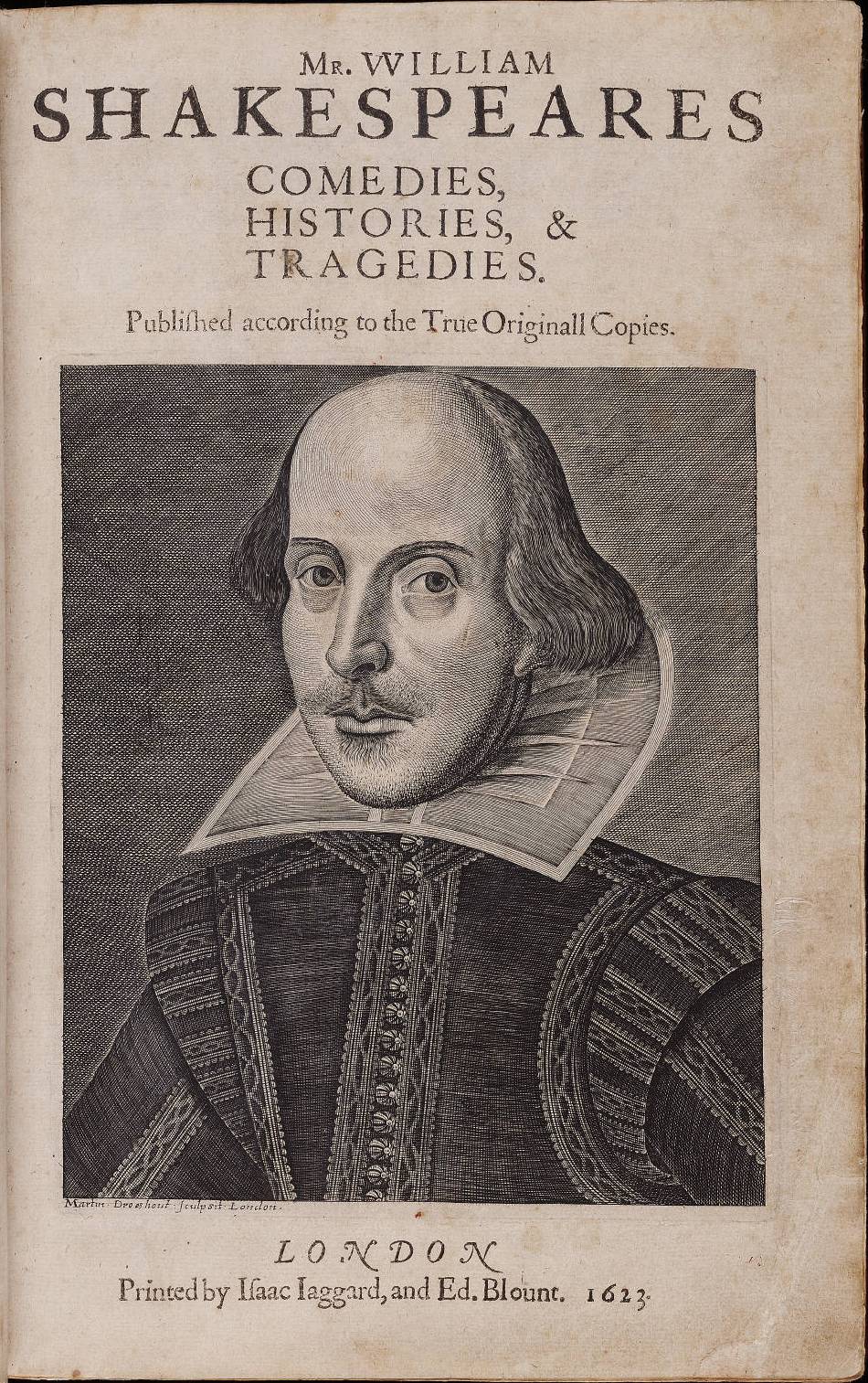 William Shakespearec. 1593
Shakespeare made one of theater's great villains here, a man so charismatic and so aware of his own evil that you can't look away.
Read this if you…
- want a great historical villain as the protagonist
- realize it's shakespeare, and most of his stuff is great regardless
Skip this if you…
- aren't willing to go slow, read notes, look up analyses of famous passages (only way to "get" shakespeare)
- foolishly think shakespeare is overrated
Why It Matters
Shakespeare made one of theater's great villains here, a man so charismatic and so aware of his own evil that you can't look away. Richard talking straight to the audience invented a kind of complicity between villain and viewer that film and TV still lean on constantly. The play also made Shakespeare the dominant voice in English drama.
Where to go next
- The Prince by Niccolò Machiavelli. Richard III built on it. - Richard is the canonical "Machiavel" of the Elizabethan stage — the cold, charming schemer the era built out of *The Prince* - Shakespeare names the source himself: in *3 Henry VI*, Richard vows to out-teach "the murderous Machiavel" - Machiavelli's argument — that a ruler's effectiveness, not his virtue, is what counts — is the logic Richard lives by; reading *The Prince* shows you the textbook behind the villain
- Dr. Faustus by Christopher Marlowe. Richard III built on it. - Richard's pre-Bosworth unraveling — the haunting, the "despair and die" — echoes the damnation-language of Faustus's final hour - Marlowe had done it first: a doomed man, alone with his conscience, watching the time run out - Reading *Dr. Faustus* first shows you what Shakespeare transposed — Marlowe's private agony of the soul made into a tyrant's public collapse
Depicted in Art
Richard rears up sword-in-hand from his bed as transparent ghosts of his victims hover around him; the two murdered princes float at his feet, pointing up at him in accusation.
William Blake, 1806
Kean as Richard, in dark robes and crown, glares with sword in hand — the actor's signature 1814 Drury Lane role.
A muscular, half-nude Richard lurches awake in his lamplit tent, hair wild and eyes staring, his boar-emblazoned shield to his side as the unseen ghosts press upon him.
Nicolai Abildgaard, 1787
Garrick as Richard at Bosworth, sword raised, in the moment of the play's famous cry for a horse.
Nathaniel Dance-Holland, 1771
Richard, crowned and on horseback, charges into the press of foot soldiers and pikemen on Bosworth Field.
Richard, leaning forward in dark robes, presses his suit on Lady Anne as she stands rigid in mourning beside the open coffin of the dead Henry VI.
Edwin Austin Abbey, 1896
The two young princes lie asleep on a curtained bed in the Tower as the hired murderers loom over them with a pillow.
James Northcote, 1786
Recommended Editions

Folger Shakespeare Library
2004
Folger's the readable one. Text on one page, notes on the facing page, written in plain English instead of textbook-speak. Catches every word and reference you'd otherwise Google, without breaking the scene to do it.


Please support us by purchasing through these links, at no extra cost to you!
Deep Dive
What It's About
This summary gives away plot details.
Notable Quotes
“A horse! A horse! My kingdom for a horse!”
“Now is the winter of our discontent made glorious summer by this sun of York.”
More by William Shakespeare
- The Two Gentlemen of Verona
c. 1590 · Comedy
- King Henry VI, Part 2
c. 1591 · History Play
- King Henry VI, Part 3
c. 1591 · History Play
- The Taming of the Shrew
c. 1591 · Comedy
- Henry VI, Part 1
c. 1592 · History Play
- Titus Andronicus
c. 1592 · Tragedy
- Love's Labour's Lost
c. 1594 · Comedy
- The Comedy of Errors
c. 1594 · Comedy
- A Midsummer Night’s Dream
c. 1595 · Comedy
- Richard II
c. 1595 · History Play
- Romeo and Juliet
c. 1595 · Tragedy
- King Henry IV, Part 1
c. 1596 · History Play
- King John
c. 1596 · History Play
- The Merchant of Venice
c. 1596 · Comedy
- Henry IV, Part Two
c. 1597 · History Play
- The Merry Wives of Windsor
c. 1597 · Comedy
- Much Ado About Nothing
c. 1598 · Comedy
- As You Like It
c. 1599 · Comedy
- Henry V
c. 1599 · History Play
- Julius Caesar
c. 1599 · Tragedy
- Hamlet
c. 1600 · Tragedy
- Twelfth Night
c. 1601 · Comedy
- Troilus and Cressida
c. 1602 · Satire
- Othello
c. 1603 · Tragedy
- All's Well That Ends Well
c. 1604 · Comedy
- Measure for Measure
c. 1604 · Comedy
- King Lear
c. 1605 · Tragedy
- Antony and Cleopatra
c. 1606 · Tragedy
- Macbeth
c. 1606 · Tragedy
- Timon of Athens
c. 1606 · Tragedy
- Pericles
c. 1607 · Romance
- Coriolanus
c. 1608 · Tragedy
- Shakespeare's Sonnets
1609 · Lyric
- Cymbeline
c. 1610 · Romance
- The Winter's Tale
c. 1610 · Romance
- The Tempest
c. 1611 · Romance
- Henry VIII
c. 1613 · History Play
- The Two Noble Kinsmen
c. 1613 · Romance