
Henry V
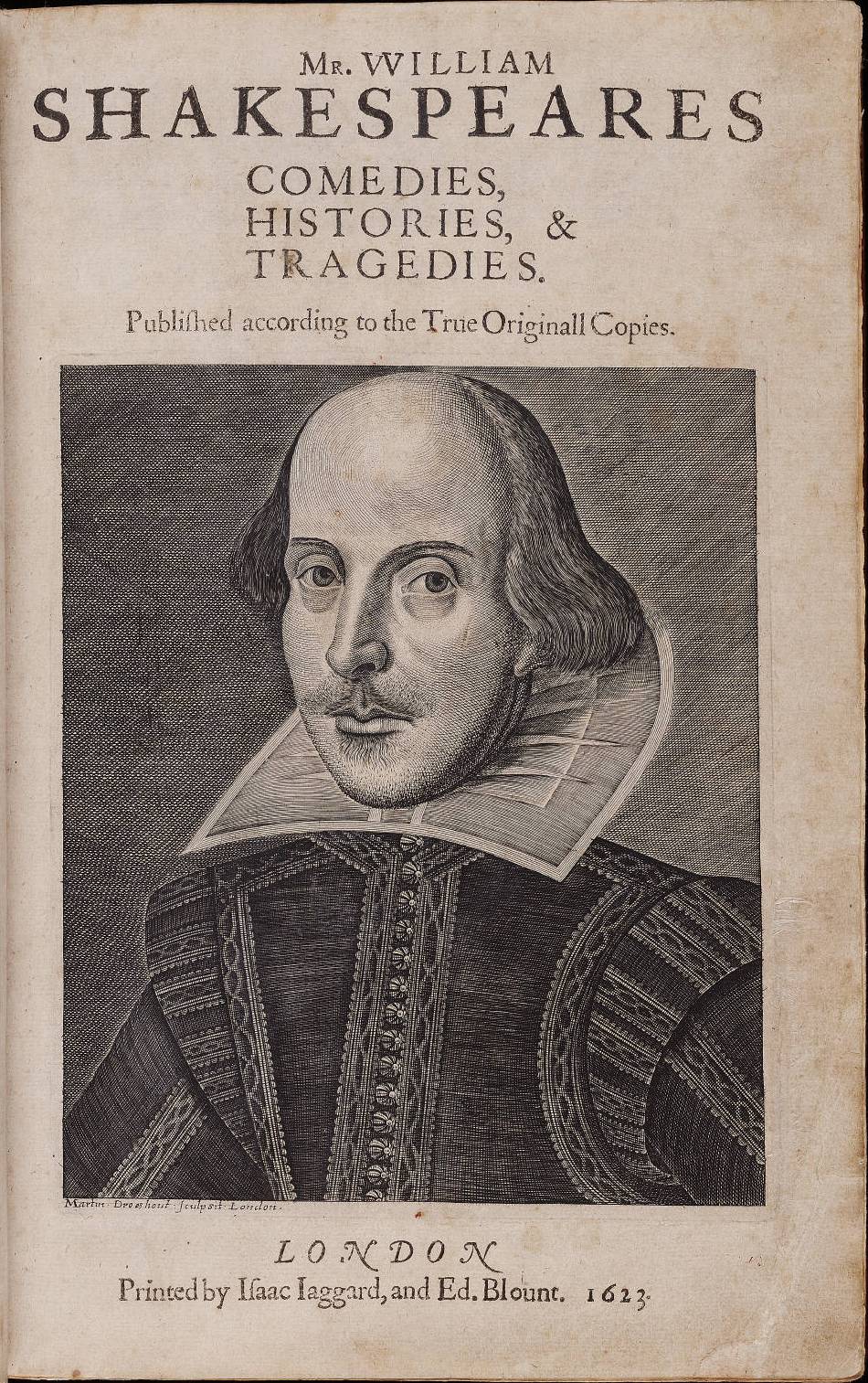 William Shakespearec. 1599
Shakespeare's most rousing history play and the definitive portrait of leadership in English literature.
Read this if you…
- want the greatest pre-battle speech ever
- want shakespeare being his most patriotic
- have Read Henry IV and you want to keep going in order
Skip this if you…
- aren't willing to go slow, read notes, look up analyses of famous passages (only way to "get" shakespeare)
- foolishly think shakespeare is overrated
- don't like his histories compared to his tragedies
Why It Matters
Shakespeare's most rousing history play and the definitive portrait of leadership in English literature. Henry's speech before Agincourt, 'we few, we happy few, we band of brothers,' has been quoted by actual generals before actual battles. But the play also keeps enough doubt going about conquest and propaganda that it never settles into simple flag-waving.
The  Take
Take
Band of brothers passage is all time . I also liked when Henry V went undercover boss
Where to go next
- Psalms by David. Henry V built on it. - Henry's great Agincourt thanksgiving is the *Psalms* speaking through him — he names Psalm 115's "Non nobis" and orders it sung - "O God, thy arm was here; not to us... ascribe we all" echoes Psalm 44's insistence that the victory was God's, not the soldiers' - The Coverdale and Geneva *Psalms* were Shakespeare's most-quarried scripture; reading them first lets you catch the borrowed cadence under the king's piety
Depicted in Art
Henry V stands and points accusingly at Cambridge, Grey, and Scroop, who recoil in horror as their treason is exposed.
Henry Fuseli, 1780
Late-medieval miniature: English and French knights clash on horseback under fluttering banners; armored figures crowd the frame.
1484
Henry V mounted among his armored knights at dawn before Agincourt; muddy field, banners aloft, French lines massed beyond.
John Gilbert, 1884
Fifteenth-century miniature of the battle: English longbowmen on the right, French knights advancing on the left, Henry V crowned at center.
1422
Henry V at dawn before the battle, surrounded by armored knights and standards, calmly readying his outnumbered army.
John Gilbert, 1884
Three-quarter profile of the young king in fur-trimmed robes, jeweled collar, hands clasped — the standard likeness Shakespeare's audience knew.
1520
Painted decorative tile of Henry V in armor and crown raising his sword, banners behind, stylized for a children's library.
Anna Malin and Louisa Seymour Malin, 1906
Recommended Editions

Folger Shakespeare Library
2004
Folger's the readable one. Text on one page, notes on the facing page, written in plain English instead of textbook-speak. Catches every word and reference you'd otherwise Google, without breaking the scene to do it.


Please support us by purchasing through these links, at no extra cost to you!
Deep Dive
What It's About
This summary gives away plot details.
Notable Quotes
“We few, we happy few, we band of brothers.”
“We few, we happy few, we band of brothers; For he to-day that sheds his blood with me Shall be my brother.”
More by William Shakespeare
- The Two Gentlemen of Verona
c. 1590 · Comedy
- King Henry VI, Part 2
c. 1591 · History Play
- King Henry VI, Part 3
c. 1591 · History Play
- The Taming of the Shrew
c. 1591 · Comedy
- Henry VI, Part 1
c. 1592 · History Play
- Titus Andronicus
c. 1592 · Tragedy
- Richard III
c. 1593 · History Play
- Love's Labour's Lost
c. 1594 · Comedy
- The Comedy of Errors
c. 1594 · Comedy
- A Midsummer Night’s Dream
c. 1595 · Comedy
- Richard II
c. 1595 · History Play
- Romeo and Juliet
c. 1595 · Tragedy
- King Henry IV, Part 1
c. 1596 · History Play
- King John
c. 1596 · History Play
- The Merchant of Venice
c. 1596 · Comedy
- Henry IV, Part Two
c. 1597 · History Play
- The Merry Wives of Windsor
c. 1597 · Comedy
- Much Ado About Nothing
c. 1598 · Comedy
- As You Like It
c. 1599 · Comedy
- Julius Caesar
c. 1599 · Tragedy
- Hamlet
c. 1600 · Tragedy
- Twelfth Night
c. 1601 · Comedy
- Troilus and Cressida
c. 1602 · Satire
- Othello
c. 1603 · Tragedy
- All's Well That Ends Well
c. 1604 · Comedy
- Measure for Measure
c. 1604 · Comedy
- King Lear
c. 1605 · Tragedy
- Antony and Cleopatra
c. 1606 · Tragedy
- Macbeth
c. 1606 · Tragedy
- Timon of Athens
c. 1606 · Tragedy
- Pericles
c. 1607 · Romance
- Coriolanus
c. 1608 · Tragedy
- Shakespeare's Sonnets
1609 · Lyric
- Cymbeline
c. 1610 · Romance
- The Winter's Tale
c. 1610 · Romance
- The Tempest
c. 1611 · Romance
- Henry VIII
c. 1613 · History Play
- The Two Noble Kinsmen
c. 1613 · Romance