
Macbeth
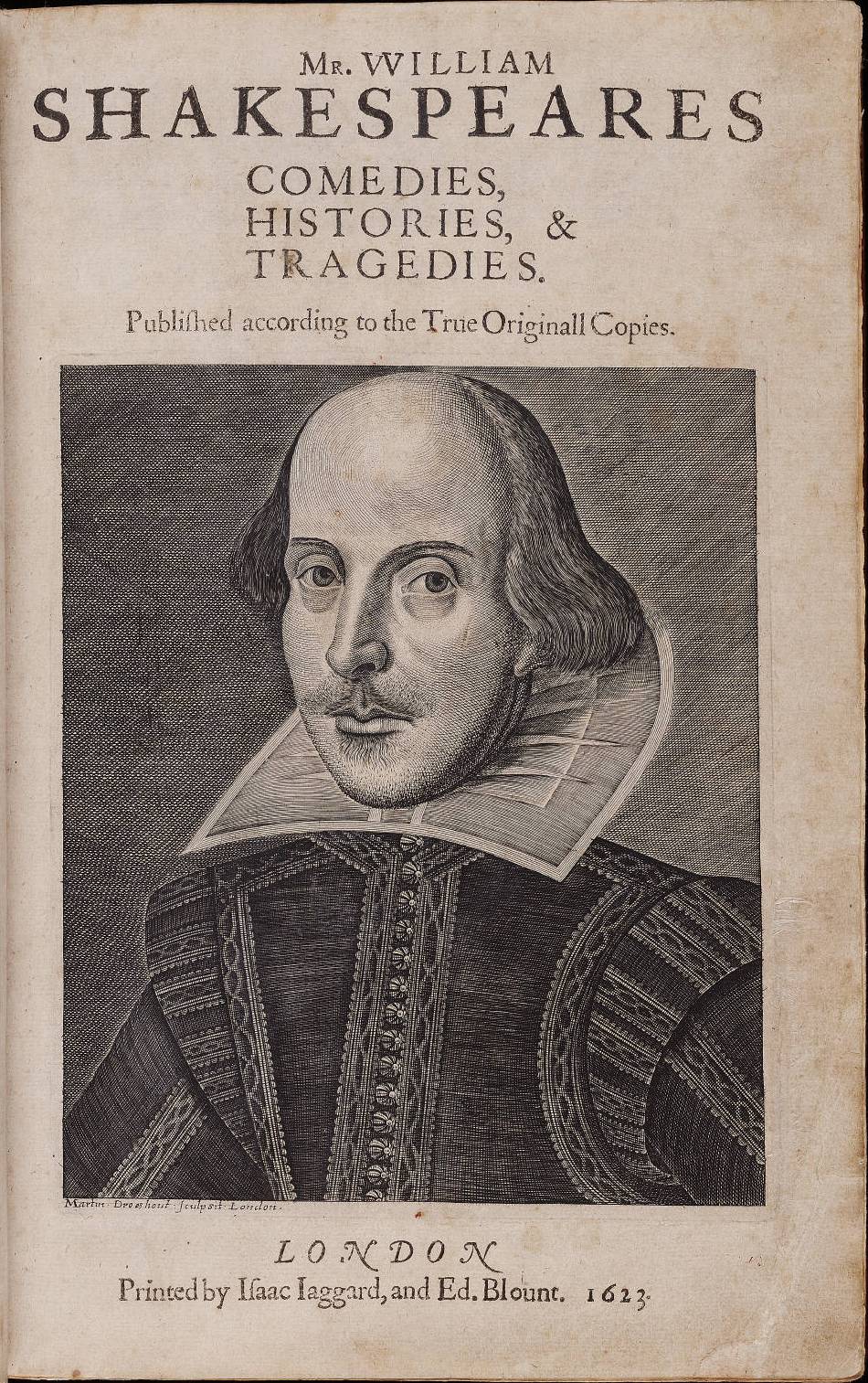 William Shakespearec. 1606
Shakespeare squeezed ambition, guilt, and self-destruction into his shortest, most intense tragedy.
Read this if you…
- are reading the greatest shakespeares
- like the theme of guilt, and how one can slowly give in to evil
- want one of Shakespeare's shorter tragedies
Skip this if you…
- aren't willing to go slow, read notes, look up analyses of famous passages (only way to "get" shakespeare)
- foolishly think shakespeare is overrated
Why It Matters
Shakespeare squeezed ambition, guilt, and self-destruction into his shortest, most intense tragedy. Macbeth and Lady Macbeth's partnership in murder, and how fast it falls apart, is the definitive picture of how evil eats the people who choose it. 'Out, damned spot' and 'tomorrow and tomorrow and tomorrow' are stuck in the English language for good.
The  Take
Take
The witches are great, the pure evil of Macbeth is great. The end all be all is a great phrase. The signifying nothing paragraph is sweet. Macduff is the man. I feel bad for sweet banquo
Where to go next
- Moby-Dick or, The Whale by Herman Melville. Macbeth shaped it. - Melville bought a large-type Shakespeare in 1849 — *Macbeth* above all — and came out of it with the language to write *Moby-Dick* - Ahab is the *Macbeth* tragic hero hauled out to sea: a man of stature ruined by his own judgment, chasing a doom he's been warned of - Fedallah's equivocating death-prophecy to Ahab is the Witches' riddle structure transposed onto a whaling ship
- Faust, First Part by Johann Wolfgang von Goethe. Macbeth shaped it. - Goethe openly admired *Macbeth*'s witches as a model of vivid drama — and they're hovering behind *Faust*'s 'Witch's Kitchen' - The cauldron and its hags were in his mind as he wrote his own scene of supernatural brew - Even the guilt is Shakespeare's: Gretchen's mad fixation on the blood she sees on Faust's hand replays Lady Macbeth's 'out, damned spot'
Depicted in Art
Macbeth and Banquo stand transfixed on a battlefield as three ghastly witches emerge from the haar; Macbeth is tartan-draped with a bloody sword, Banquo helmeted and armoured.
Henry Fuseli, 1794
Three witches materialise from a swirl of mist and lightning on the left as Macbeth and Banquo recoil; a vast army winds along a distant Highland lake.
John Martin, 1820
Macbeth steps back, sword half-drawn, before a disembodied armed head conjured above the cauldron by the three witches in the cavern.
John Henry Fuseli, 1793
Macbeth rises in horror at the banquet table, recoiling from the spectral, blood-streaked figure of Banquo seated in his own chair.
Théodore Chassériau, 1854
Macbeth recoils with the bloody daggers just after Duncan's murder; Lady Macbeth lunges from the dark to snatch them from his hand.
Henry Fuseli, 1812
Macbeth and Banquo on horseback rein up on a windswept moor as three pale, attenuated witches rise out of the heather to address them.
Théodore Chassériau, 1855
A long, crowded banquet hall: Macbeth half-rises from his seat in terror as the ghost of Banquo, visible only to him, occupies the throne.
Daniel Maclise, 1840
Macbeth alone before the three witches as the show of future kings — a procession of crowned figures — files past in the upper register.
George Romney, 1785
Recommended Editions

Folger Shakespeare Library
2003
Folger's the readable one. Text on one page, notes on the facing page, written in plain English instead of textbook-speak. Catches every word and reference you'd otherwise Google, without breaking the scene to do it.


Please support us by purchasing through these links, at no extra cost to you!
Deep Dive
What It's About
This summary gives away plot details.
Notable Quotes
“Double, double toil and trouble; Fire burn, and cauldron bubble.”
“Out, damned spot! Out, I say!”
More by William Shakespeare
- The Two Gentlemen of Verona
c. 1590 · Comedy
- King Henry VI, Part 2
c. 1591 · History Play
- King Henry VI, Part 3
c. 1591 · History Play
- The Taming of the Shrew
c. 1591 · Comedy
- Henry VI, Part 1
c. 1592 · History Play
- Titus Andronicus
c. 1592 · Tragedy
- Richard III
c. 1593 · History Play
- Love's Labour's Lost
c. 1594 · Comedy
- The Comedy of Errors
c. 1594 · Comedy
- A Midsummer Night’s Dream
c. 1595 · Comedy
- Richard II
c. 1595 · History Play
- Romeo and Juliet
c. 1595 · Tragedy
- King Henry IV, Part 1
c. 1596 · History Play
- King John
c. 1596 · History Play
- The Merchant of Venice
c. 1596 · Comedy
- Henry IV, Part Two
c. 1597 · History Play
- The Merry Wives of Windsor
c. 1597 · Comedy
- Much Ado About Nothing
c. 1598 · Comedy
- As You Like It
c. 1599 · Comedy
- Henry V
c. 1599 · History Play
- Julius Caesar
c. 1599 · Tragedy
- Hamlet
c. 1600 · Tragedy
- Twelfth Night
c. 1601 · Comedy
- Troilus and Cressida
c. 1602 · Satire
- Othello
c. 1603 · Tragedy
- All's Well That Ends Well
c. 1604 · Comedy
- Measure for Measure
c. 1604 · Comedy
- King Lear
c. 1605 · Tragedy
- Antony and Cleopatra
c. 1606 · Tragedy
- Timon of Athens
c. 1606 · Tragedy
- Pericles
c. 1607 · Romance
- Coriolanus
c. 1608 · Tragedy
- Shakespeare's Sonnets
1609 · Lyric
- Cymbeline
c. 1610 · Romance
- The Winter's Tale
c. 1610 · Romance
- The Tempest
c. 1611 · Romance
- Henry VIII
c. 1613 · History Play
- The Two Noble Kinsmen
c. 1613 · Romance