
The Tempest
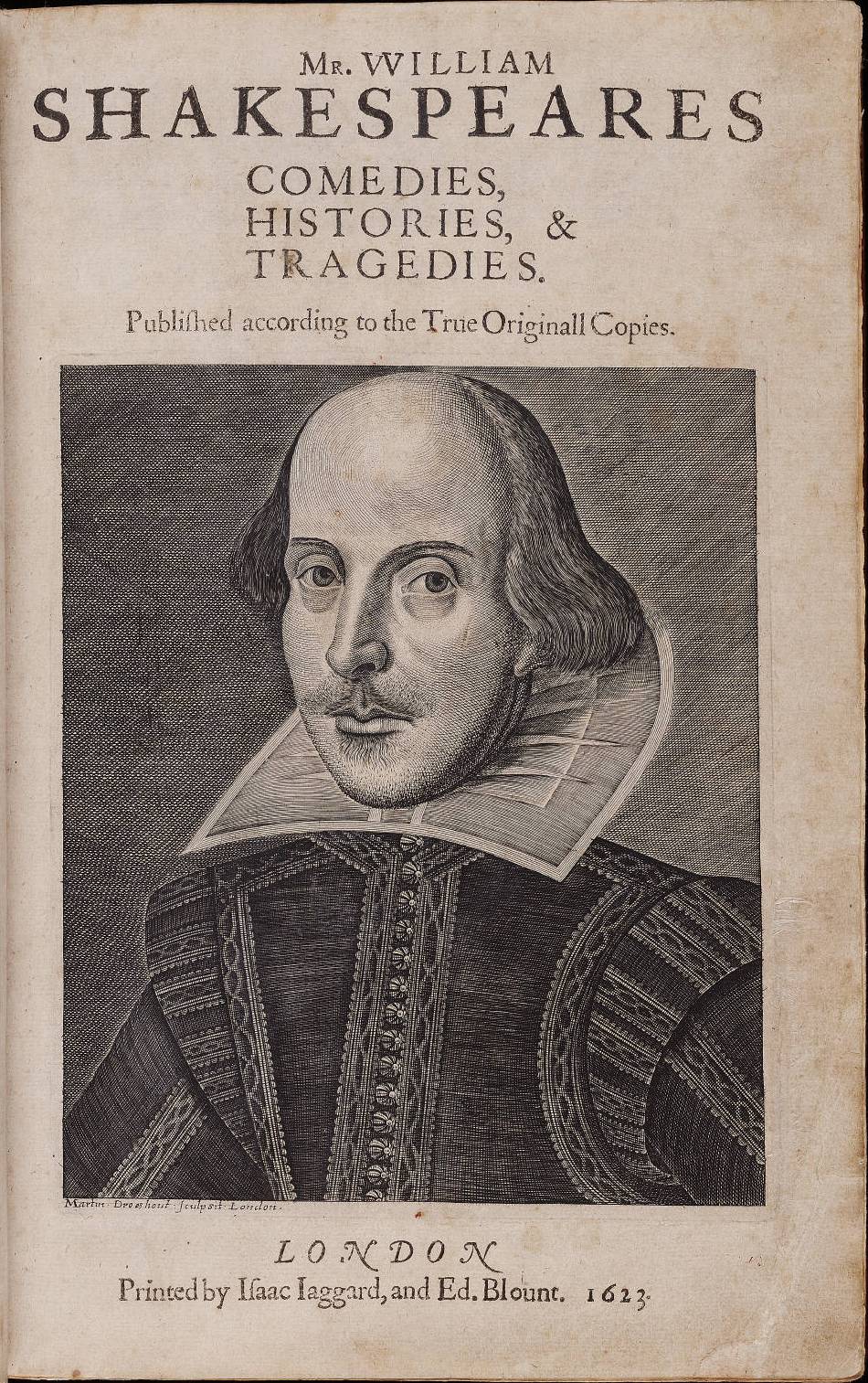 William Shakespearec. 1611
Shakespeare's goodbye to the stage is a play about forgiveness, power, and the choice to give up control.
Read this if you…
- want shakespeare writing about a wizard/magic/monster
- want his last top tier play
Skip this if you…
- aren't willing to go slow, read notes, look up analyses of famous passages (only way to "get" shakespeare)
- foolishly think shakespeare is overrated
Why It Matters
Shakespeare's goodbye to the stage is a play about forgiveness, power, and the choice to give up control. Plenty of readers see Prospero giving up his magic as Shakespeare himself laying down the pen. It's one of his most-performed and most-adapted plays, and its questions about colonialism and freedom have only gotten louder.
The  Take
Take
Banger, nice and short. Prospero is awesome
Where to go next
- The Complete Essays by Michel de Montaigne. The Tempest built on it. - Gonzalo isn't improvising — he's quoting Montaigne - His commonwealth speech lifts *Of the Cannibals* almost verbatim from Florio's 1603 translation, the single clearest case of Shakespeare citing Montaigne - Read the essay first and you'll catch the irony Shakespeare is playing with — Montaigne's earnest meditation on the New World turned into a castaway's idle daydream
- Metamorphoses by Ovid. The Tempest built on it. - Prospero's great renunciation speech isn't Shakespeare's invention — it's Ovid's - "Ye elves of hills, brooks, standing lakes and groves" (5.1) is lifted, line by line, from Medea's invocation in *Metamorphoses* Book 7 - Read Ovid first and the magician's farewell turns uncanny: the most humane wizard in the canon borrows his power from a sorceress who used it for murder
- The Aeneid by Virgil. The Tempest built on it. - *The Tempest* opens on a Virgilian storm — the shipwreck, the scattered survivors, the supernatural reckoning all trace back to the *Aeneid* - Shakespeare half-names his source: Gonzalo's "widow Dido" and the talk of Carthage and Tunis in 2.1 point straight at Virgil's queen - Ariel's harpy at the magical banquet is Aeneid Book 3 staged anew; knowing Virgil's voyage sharpens every echo on Prospero's island
Depicted in Art
Ferdinand kneels before Miranda in Prospero's cave; Prospero stands behind her with his book and staff while Caliban crouches on the right.
William Hogarth, 1736
Prospero, robed and bearded, leans toward the seated Miranda to tell her the story of their banishment to the island.
Henry Thomson
Miranda stands on a windswept cliff edge with her hair and dress flying back, watching her father's storm hurl a ship onto the rocks below.
John William Waterhouse, 1916
A ring of nude fairies dances along a moonlit beach as Ariel pipes overhead, summoning Ferdinand to the shore.
Richard Dadd, 1842
Ferdinand and Miranda meet wonderingly at center while Prospero watches and Ariel floats overhead.
Thomas Stothard
Ferdinand and Miranda lean intimately toward each other in a lushly painted island setting, lovers caught mid-conversation.
Frederick Richard Pickersgill
Prospero in his magician's robes commands the air-spirit Ariel, who rises to him as a winged youth crowned with light.
William Hamilton, 1797
An apocalyptic vision of cities collapsing into the sea, illustrating Prospero's 'cloud-capp'd towers... shall dissolve' speech from Act IV.
Samuel Colman, 1838
Prospero in his cell with Miranda beside him, while Caliban gathers wood behind; a distressed ship is just visible out at sea.
William Rimmer, 1850
Ferdinand is borne ashore on the back of the storm-waves, half-drowned, his body twisting in the surf.
Theodor von Holst
Caliban rendered as an angular, expressionist costume design — a stooped, bestial figure in jagged earth-tones.
Franz Marc, 1914
Ariel as a robed spirit-girl raising her arms in song over the sleeping mariners, in Dulac's signature jewel-bright watercolor.
Edmund Dulac, 1908
Prospero stands between Miranda and the crouching Caliban, framing the family conflict at the heart of Act I.
George Romney
Prospero, Miranda, Ariel and the assembled spirits gathered around Prospero's island cell in the foundational Act I exposition scene.
Thomas Stothard
Prospero, Miranda and Ferdinand grouped on the island, in Wheatley's elegant late-18th-century Conversation-Piece manner.
Francis Wheatley
Recommended Editions

Folger Shakespeare Library
2004
Folger's the readable one. Text on one page, notes on the facing page, written in plain English instead of textbook-speak. Catches every word and reference you'd otherwise Google, without breaking the scene to do it.


Please support us by purchasing through these links, at no extra cost to you!
Deep Dive
What It's About
This summary gives away plot details.
Notable Quotes
“We are such stuff / As dreams are made on, and our little life / Is rounded with a sleep.”
“We are such stuff as dreams are made on, and our little life is rounded with a sleep.”
More by William Shakespeare
- The Two Gentlemen of Verona
c. 1590 · Comedy
- King Henry VI, Part 2
c. 1591 · History Play
- King Henry VI, Part 3
c. 1591 · History Play
- The Taming of the Shrew
c. 1591 · Comedy
- Henry VI, Part 1
c. 1592 · History Play
- Titus Andronicus
c. 1592 · Tragedy
- Richard III
c. 1593 · History Play
- Love's Labour's Lost
c. 1594 · Comedy
- The Comedy of Errors
c. 1594 · Comedy
- A Midsummer Night’s Dream
c. 1595 · Comedy
- Richard II
c. 1595 · History Play
- Romeo and Juliet
c. 1595 · Tragedy
- King Henry IV, Part 1
c. 1596 · History Play
- King John
c. 1596 · History Play
- The Merchant of Venice
c. 1596 · Comedy
- Henry IV, Part Two
c. 1597 · History Play
- The Merry Wives of Windsor
c. 1597 · Comedy
- Much Ado About Nothing
c. 1598 · Comedy
- As You Like It
c. 1599 · Comedy
- Henry V
c. 1599 · History Play
- Julius Caesar
c. 1599 · Tragedy
- Hamlet
c. 1600 · Tragedy
- Twelfth Night
c. 1601 · Comedy
- Troilus and Cressida
c. 1602 · Satire
- Othello
c. 1603 · Tragedy
- All's Well That Ends Well
c. 1604 · Comedy
- Measure for Measure
c. 1604 · Comedy
- King Lear
c. 1605 · Tragedy
- Antony and Cleopatra
c. 1606 · Tragedy
- Macbeth
c. 1606 · Tragedy
- Timon of Athens
c. 1606 · Tragedy
- Pericles
c. 1607 · Romance
- Coriolanus
c. 1608 · Tragedy
- Shakespeare's Sonnets
1609 · Lyric
- Cymbeline
c. 1610 · Romance
- The Winter's Tale
c. 1610 · Romance
- Henry VIII
c. 1613 · History Play
- The Two Noble Kinsmen
c. 1613 · Romance