
Cymbeline
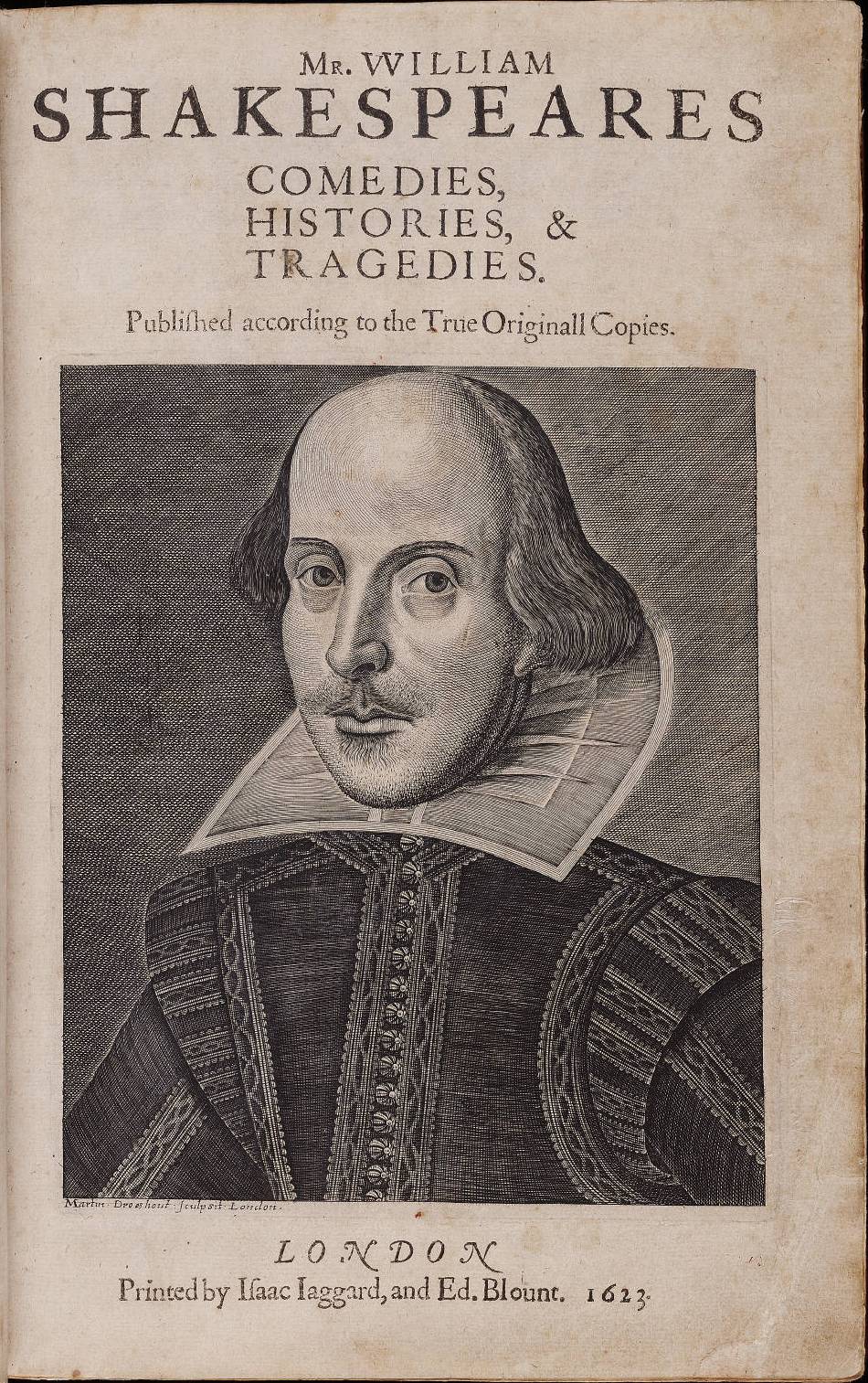 William Shakespearec. 1610
One of Shakespeare's most plot-heavy late romances, a wild story running from Britain to Rome to a cave in Wales that somehow ties itself off in a cascade of recognitions and reconciliations.
Read this if you…
- are trying to read all of shakespeare (bottom of the barrel)
- like the plot of a guy betting he can sleep with another guys' wife
Skip this if you…
- haven't already read ALL the classic shakespeare plays
- aren't willing to go slow, read notes, look up analyses of famous passages (only way to "get" shakespeare)
- foolishly think shakespeare is overrated
Why It Matters
One of Shakespeare's most plot-heavy late romances, a wild story running from Britain to Rome to a cave in Wales that somehow ties itself off in a cascade of recognitions and reconciliations. It's an underperformed gem with some of his finest verse, including the song 'Fear no more the heat o' the sun.' This is Shakespeare at his most experimental, throwing tragedy, comedy, and fairy tale in together.
The  Take
Take
Kinda fun scheming, the decapitation was a nice touch. But none of the characters were THAT interesting
Where to go next
- The Decameron by Giovanni Boccaccio. Cymbeline built on it. - The bet that drives *Cymbeline* is Boccaccio's, lifted nearly whole - Day 2, Story 9 of *The Decameron* gives Shakespeare the wager on a wife's fidelity, the trunk smuggled into her bedroom, the intimate mole "under her breast" produced as false proof - Reading the tale first lets you watch Shakespeare graft a romance's forgiveness and reunion onto a sharper, crueler medieval story
- Metamorphoses by Ovid. Cymbeline built on it. - *Cymbeline* names its source out loud: the page Imogen falls asleep on is the Tereus-and-Philomela tale from Ovid's *Metamorphoses* - Read Ovid's version first and Iachimo's intrusion turns sinister before he lifts a finger — Shakespeare casts him as Tereus, the rapist who silenced his victim - The dog-eared leaf 'where Philomel gave up' is the whole scene's omen, and only Ovid supplies its weight
Depicted in Art
Belarius and the boys discover Imogen lying apparently dead in their cave after she has taken the potion.
George Dawe, 1809
Imogen sleeps in her canopied bed seen from Iachimo's vantage as he memorizes the room.
Wilhelm Ferdinand Souchon, 1872
Belarius and his sons find the disguised Imogen inside the cave, eating their food.
Edward Penny, 1770
Iachimo produces the stolen bracelet before Posthumus and the assembled men to prove his false claim on Imogen's chastity.
Richard Westall, 1796
Imogen sleeps on the ground while Belarius, Guiderius, and Arviragus stand over her, mourning her as dead.
James Smetham, 1874
Portrait of Ellen Terry in costume as Imogen for Henry Irving's Lyceum production, gown designed by Alma-Tadema himself.
Lawrence Alma-Tadema, 1896
Recommended Editions

Folger Shakespeare Library
2003
Folger's the readable one. Text on one page, notes on the facing page, written in plain English instead of textbook-speak. Catches every word and reference you'd otherwise google, without breaking the scene to do it.
SparkNotes (No Fear Shakespeare)
2003

Please support us by purchasing through these links, at no extra cost to you!
Deep Dive
What It's About
This summary gives away plot details.
Notable Quotes
“Fear no more the heat o' the sun, Nor the furious winter's rages; Thou thy worldly task hast done, Home art gone, and ta'en thy wages: Golden lads and girls all must, As chimney-sweepers, come to dust.”
“Fear no more the heat o' the sun, nor the furious winter's rages.”
More by William Shakespeare
- The Two Gentlemen of Verona
c. 1590 · Comedy
- King Henry VI, Part 2
c. 1591 · History Play
- King Henry VI, Part 3
c. 1591 · History Play
- The Taming of the Shrew
c. 1591 · Comedy
- Henry VI, Part 1
c. 1592 · History Play
- Titus Andronicus
c. 1592 · Tragedy
- Richard III
c. 1593 · History Play
- Love's Labour's Lost
c. 1594 · Comedy
- The Comedy of Errors
c. 1594 · Comedy
- A Midsummer Night’s Dream
c. 1595 · Comedy
- Richard II
c. 1595 · History Play
- Romeo and Juliet
c. 1595 · Tragedy
- King Henry IV, Part 1
c. 1596 · History Play
- King John
c. 1596 · History Play
- The Merchant of Venice
c. 1596 · Comedy
- Henry IV, Part Two
c. 1597 · History Play
- The Merry Wives of Windsor
c. 1597 · Comedy
- Much Ado About Nothing
c. 1598 · Comedy
- As You Like It
c. 1599 · Comedy
- Henry V
c. 1599 · History Play
- Julius Caesar
c. 1599 · Tragedy
- Hamlet
c. 1600 · Tragedy
- Twelfth Night
c. 1601 · Comedy
- Troilus and Cressida
c. 1602 · Satire
- Othello
c. 1603 · Tragedy
- All's Well That Ends Well
c. 1604 · Comedy
- Measure for Measure
c. 1604 · Comedy
- King Lear
c. 1605 · Tragedy
- Antony and Cleopatra
c. 1606 · Tragedy
- Macbeth
c. 1606 · Tragedy
- Timon of Athens
c. 1606 · Tragedy
- Pericles
c. 1607 · Romance
- Coriolanus
c. 1608 · Tragedy
- Shakespeare's Sonnets
1609 · Lyric
- The Winter's Tale
c. 1610 · Romance
- The Tempest
c. 1611 · Romance
- Henry VIII
c. 1613 · History Play
- The Two Noble Kinsmen
c. 1613 · Romance